The Genus Rudbeckia: A Tale of Beauty, History, and Ecological Importance
The genus Rudbeckia, commonly known as coneflowers or black-eyed Susans, holds a special place in both the botanical world and American heritage.

The genus Rudbeckia, commonly known as coneflowers or black-eyed Susans, holds a special place in both the botanical world and American heritage.

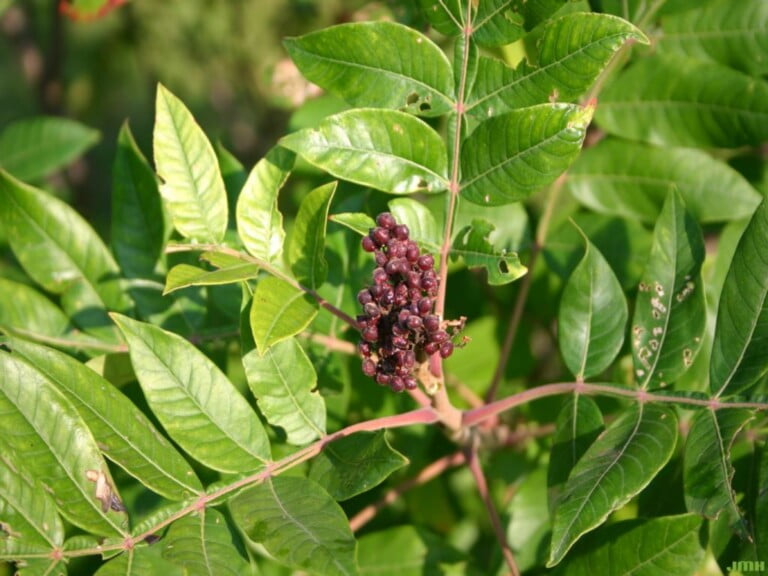
In this article, we’ll explore the native range of Shiny Sumac, its benefits to butterflies, pollinators, and other wildlife, and its unique attributes that make it an ecological powerhouse.
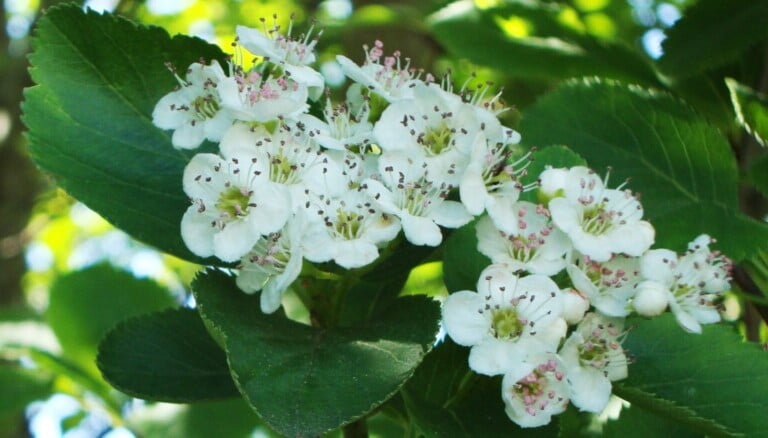
This article attempts to assist the user in germinating Michaux’s Hawthorn seeds.

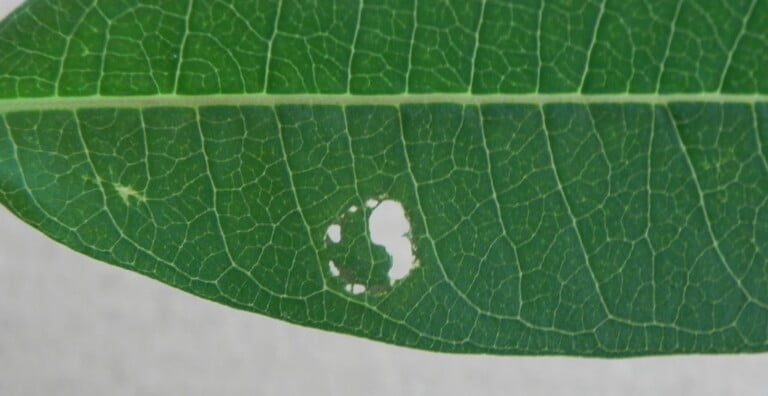
In this DIY guide, Johnny walks you through the process of testing milkweed leaves for the presence of O.E. spores using just a 40X student-grade microscope.

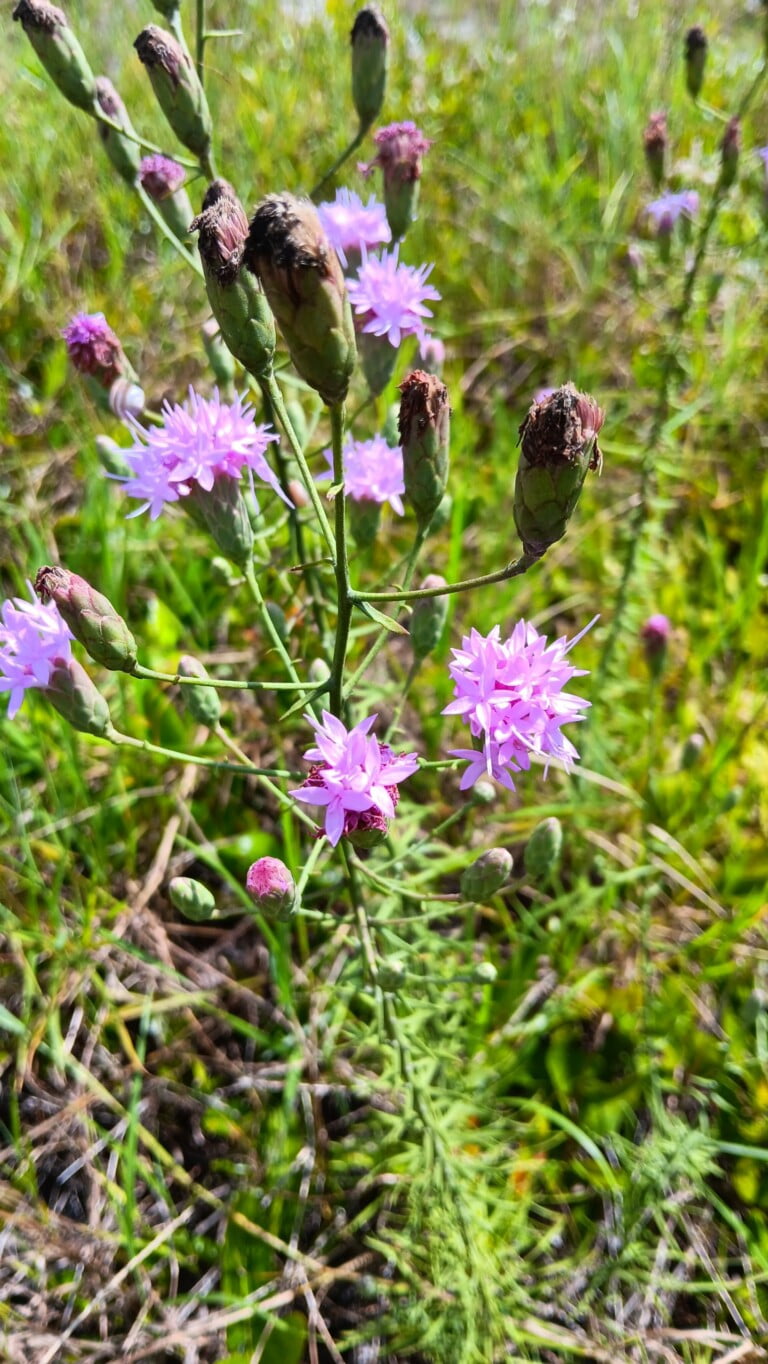
The Scrub Blazing Star, also known as Florida Gayfeather (Liatris ohlingerae), is an eye-catching perennial that adds a burst of color to Florida’s diverse landscapes.

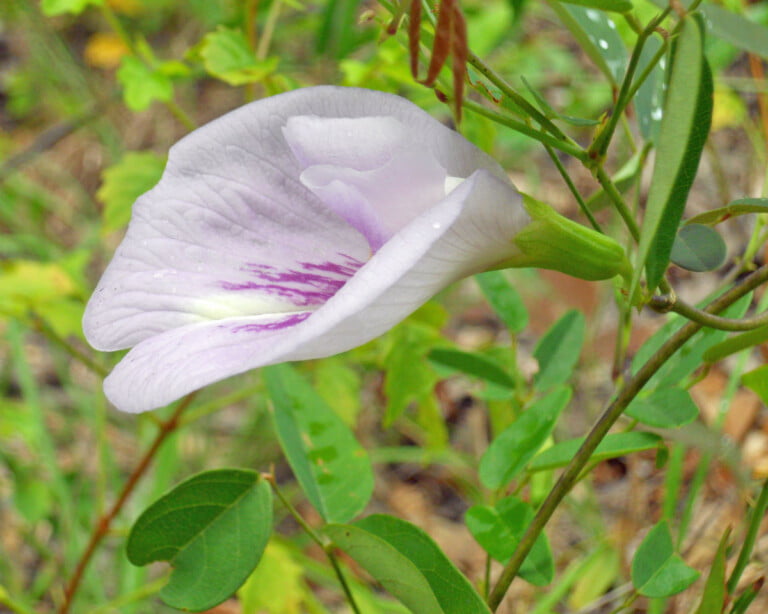
The Sweet-Scented Pigeonwings is not just a beautiful addition to Florida’s Lake Wales Ridge; it’s a cornerstone species that contributes significantly to the ecological fabric of the region.

Milkweeds are not just another pretty plant; they’re the cornerstone of a complex ecological web. Serving as the primary host plants for the famed Monarch butterfly, these hardy perennials play a crucial role in ecosystems across the United States, including the diverse landscapes of Texas.

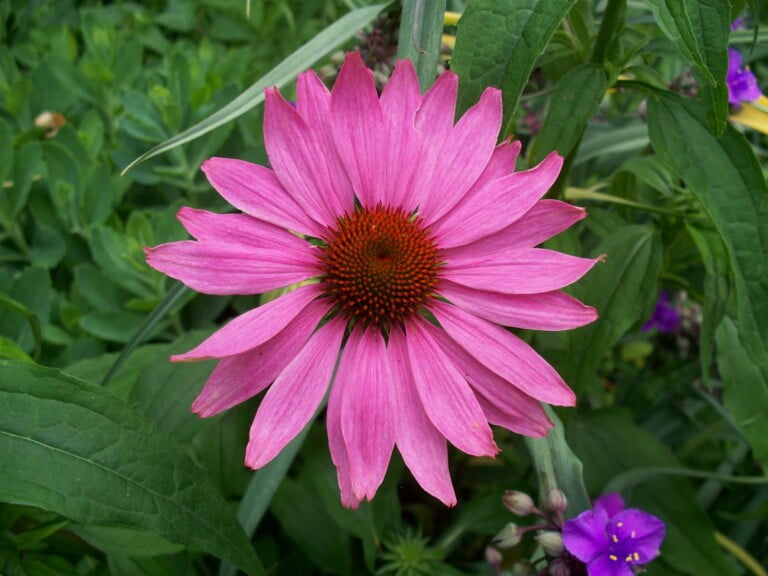
The genera Echinacea and Rudbeckia are closely related, both belonging to the Asteraceae family, but they exhibit some key genetic and morphological differences that warrant their classification into separate genera.