Do Monarch Caterpillars Need Water?
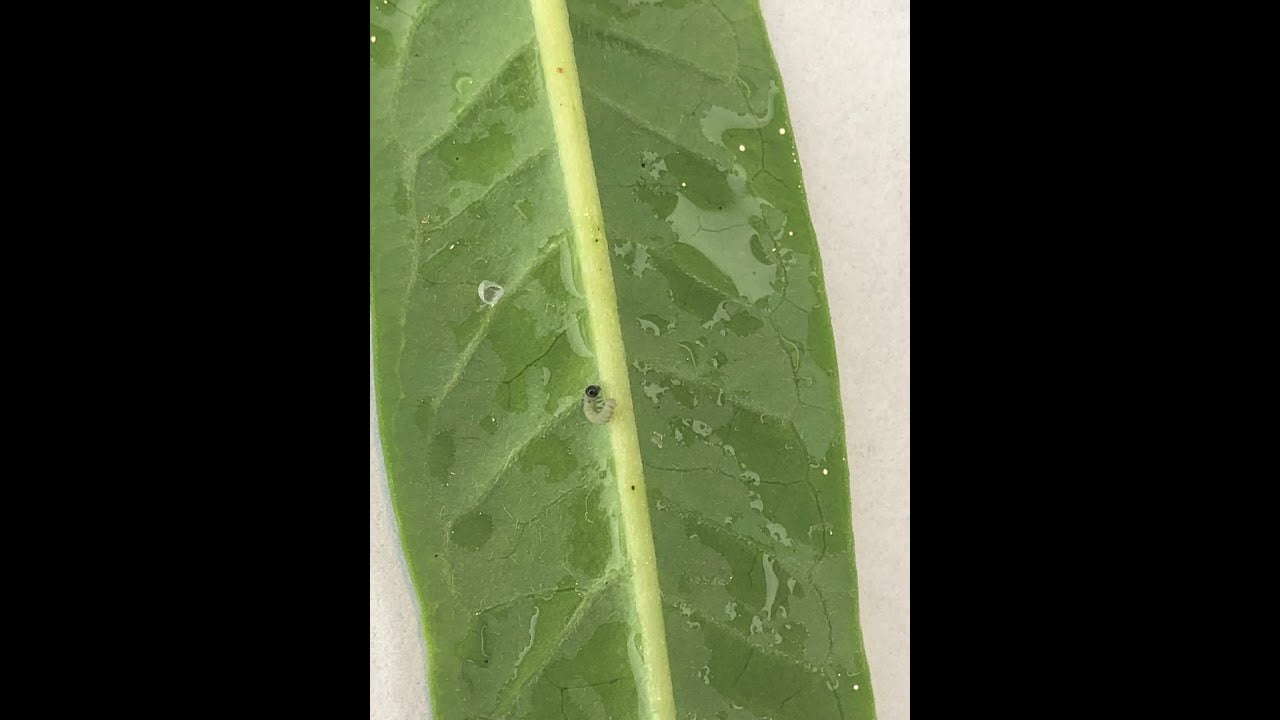
Just like any living organism, Monarch caterpillars need water to survive. However, their hydration needs are not the same as ours. They do not drink water directly like many animals do. Instead, they absorb most of the moisture they need from the milkweed plants they feed on.
Absorption Through Diet
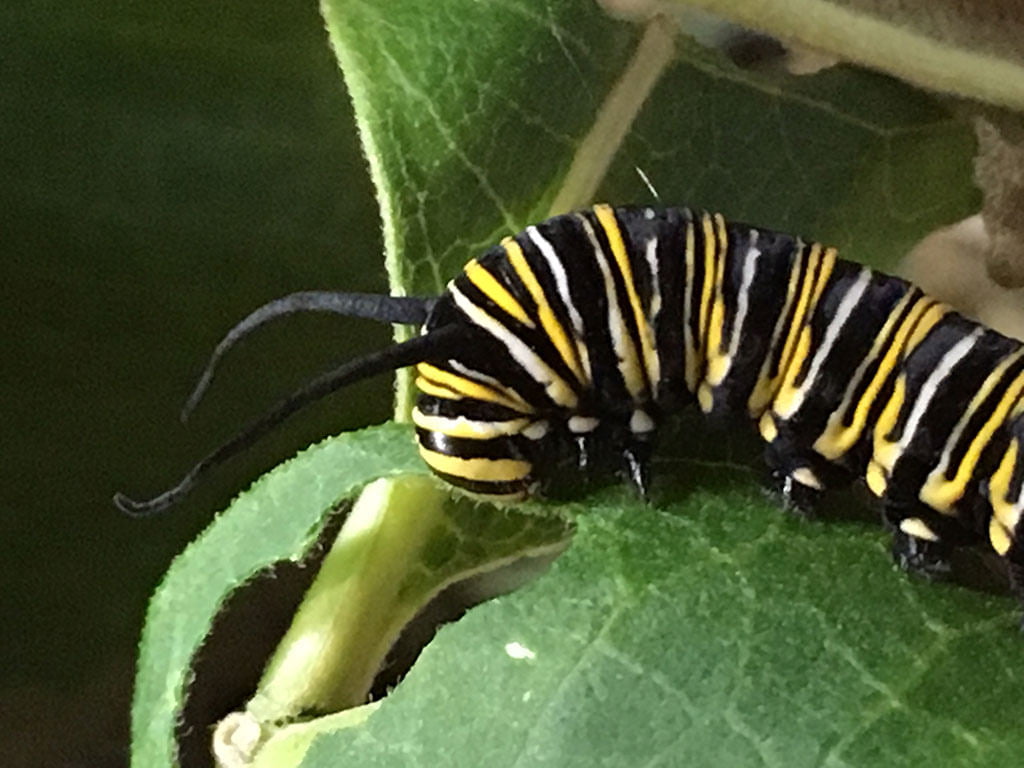
Monarch caterpillars are voracious eaters, primarily consuming milkweed leaves. This plant is rich in water, which provides the necessary hydration for the caterpillars. The caterpillars’ digestive system is designed to extract not only the nutrients but also the water content from their food. This is a highly efficient way for them to stay hydrated without the need for direct water intake.
-
Johnny Butterflyseed Submits Official 2020-2021 Monarch Butterfly (Danaus plexippus) Tagging Data to MonarchWatch.org
-
White-tailed Deer Photographed Consuming Rare Florida Endemic Shrub Fruit, Scrub Plum (prunus geniculata), Captured as Part of Life Study
-
Johnny Butterflyseed Designates Newly Acquired Baygall “Joyce’s Garden” as Largest Monarch Waystation and Butterfly Preserve on the Lake Wales Ridge within Highlands County Florida
-
Johnny Butterflyseed Proves Monarch Butterflies (Danaus plexippus) Can Nectar from Parry’s Jujube Flowers (Pseudoziziphus parryi)
Dew and Raindrops
In addition to the water they obtain from their diet, Monarch caterpillars can also absorb moisture from dew or raindrops that accumulate on the milkweed leaves. This is not their primary source of hydration, but it can supplement the water they get from their food, especially in dryer climates or periods of drought.
Avoiding Drowning
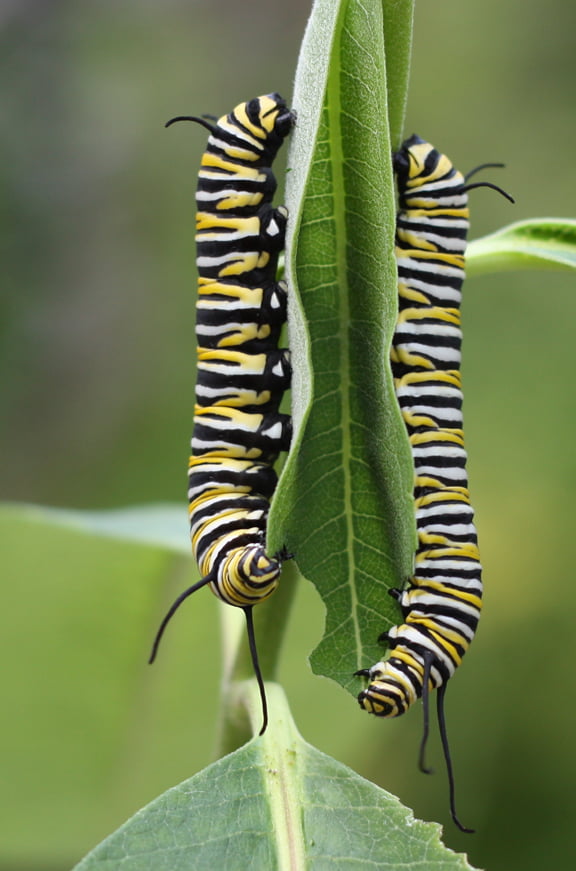
One of the reasons Monarch caterpillars do not drink water directly is because they can easily drown. Unlike larger animals, small insects like caterpillars do not have the strength or ability to break the surface tension of water. Therefore, a simple puddle can become a death trap for them. By absorbing water from their food and the environment, they can avoid this risk entirely.
Conclusion
In conclusion, while Monarch caterpillars do require water to survive, they do not drink it directly. Instead, they derive their hydration needs from the food they eat and the dew or rain on the plants. This unique adaptation allows them to stay hydrated while also avoiding the dangers of drowning in water. As with all aspects of wildlife care and conservation, understanding these needs is crucial in order to provide the right support to these remarkable creatures… one day at a time!


One Comment