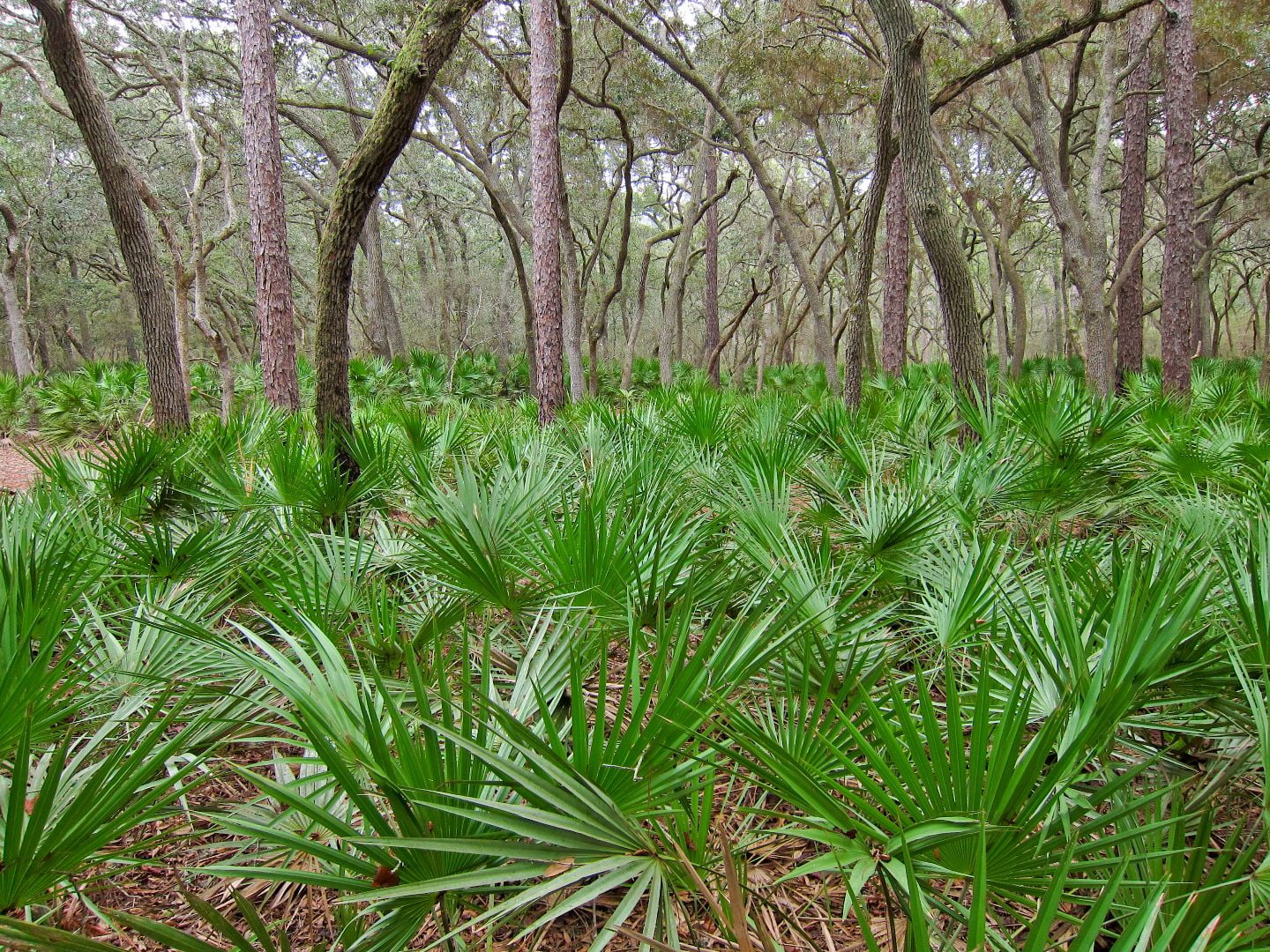
Saw Palmetto (Serenoa repens): A Keystone Species of the U.S. Southeast
Uses
For centuries, Saw Palmetto has been valued for its medicinal properties. The berries of the plant are particularly sought after, known for their diuretic, sedative, and tonic properties. One of the most recognized uses of Saw Palmetto berries is for the treatment of benign prostatic hyperplasia (BPH), a condition that affects many older men. The extract from the berries is believed to help reduce the symptoms associated with this ailment.
Function as a Larval Host Plant
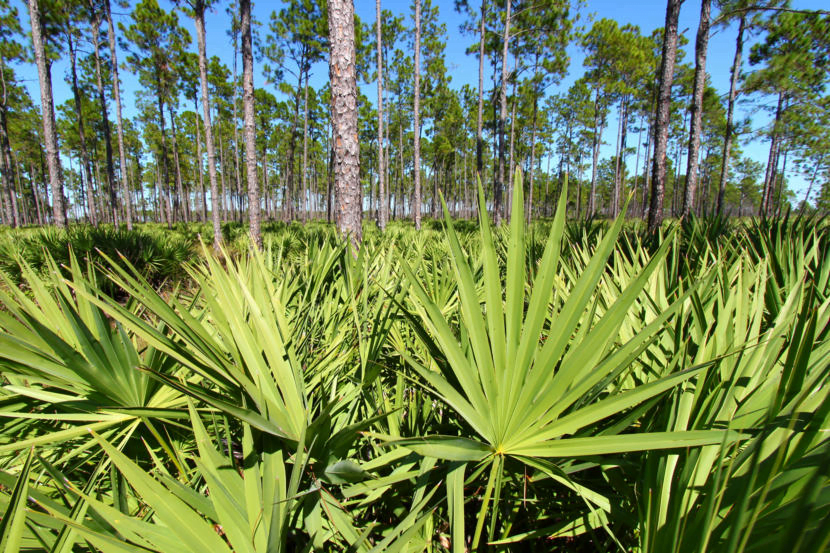
Saw Palmetto serves as a crucial larval host plant for a variety of butterfly species. Caterpillars of two certain butterfly species feed exclusively on its leaves, ensuring their survival. This relationship showcases the importance of maintaining the natural habitats of such plants.
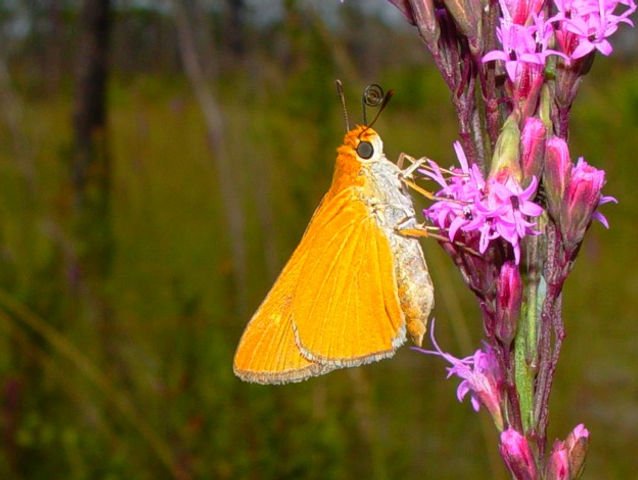
The Palmetto Skipper (Euphyes arpa) and Monk Skipper (Asbolis capucinus) are two species of butterflies that are known to utilize the Saw Palmetto as a larval host.
Bella Moth (Utetheisa ornatrix): Larvae of this species feed on various plants in the Fabaceae family but have also been reported on Saw Palmetto.
Tersa Sphinx Moth (Xylophanes tersa): While the larvae prefer plants in the Rubiaceae family, there have been some reports of them using Saw Palmetto.