How Can Kids Become Butterfly Farmers?
Anyone who creates and maintains sustainable butterfly habitats with larval host plants, nectar plants, and structure plants in order to help raise butterflies is a Butterfly Farmer.
-Johnny Butterflyseed
Here are some steps kids can take to become butterfly farmers:
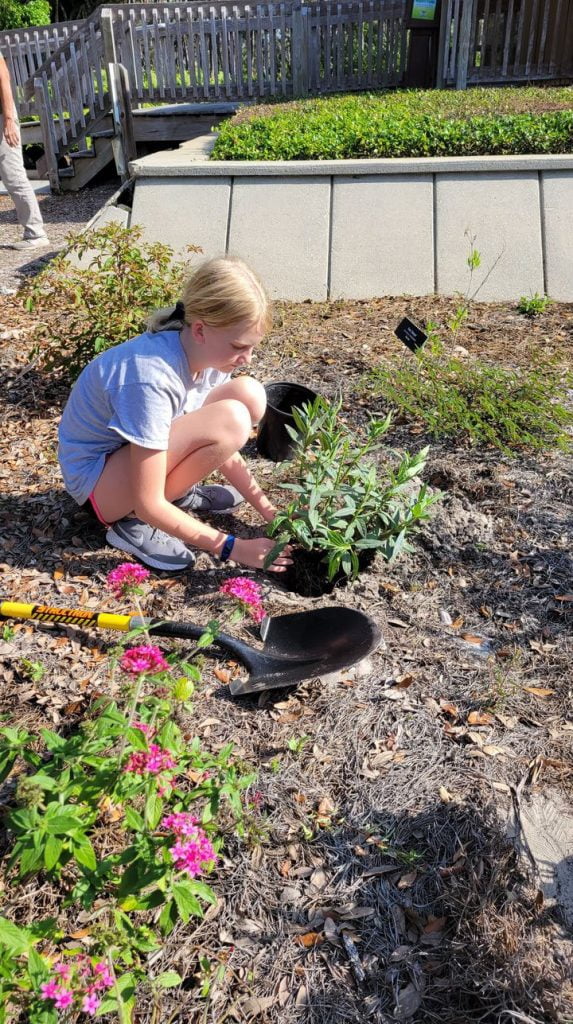
1. Learn about butterflies
Start by reading books, watching documentaries, or researching online to understand the life cycle, behavior, and needs of butterflies. This knowledge will help in creating a suitable environment for them.
2. Research butterfly species
Identify the butterfly species that are native to your area or that you find particularly interesting. Learn about their host plants (plants where butterflies lay eggs) and nectar plants (plants that provide food for adult butterflies). Understanding these specific requirements will be crucial for successful butterfly farming.
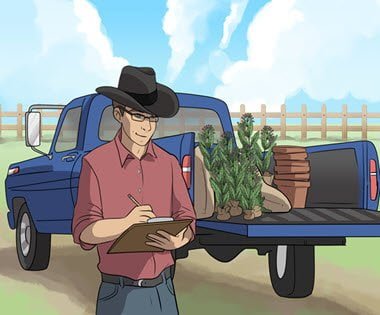
3. Create a butterfly garden
Design and develop a butterfly-friendly garden in your backyard or even in containers on a balcony or patio. Include a variety of host plants and nectar plants to attract butterflies. Make sure to choose plants that are native to your region and that will provide a continuous source of food throughout the butterfly’s life cycle.
4. Collect eggs or caterpillars
Once your garden is ready, keep an eye out for butterfly eggs or caterpillars on the host plants. Gently collect them and transfer them to a safe container, such as a mesh enclosure or a butterfly rearing kit. Ensure that the container has proper ventilation and suitable food plants for the caterpillars.
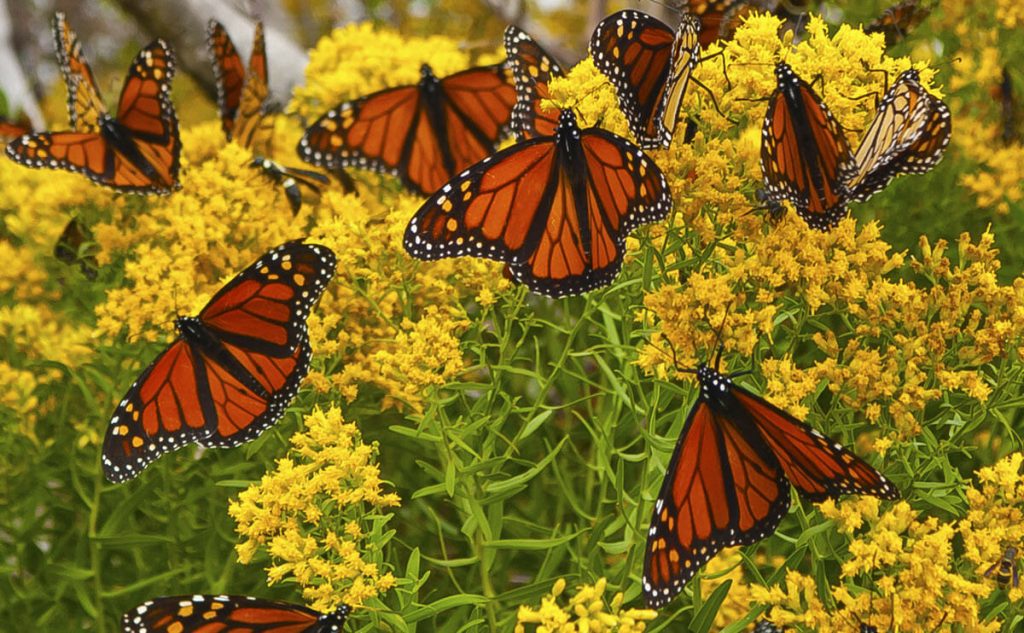
5. Provide care and observe
Take care of the eggs or caterpillars by providing them with fresh food, a clean environment, and appropriate temperature and humidity levels. Observe their growth and behavior closely. This hands-on experience will help kids learn about the different stages of the butterfly’s life cycle.
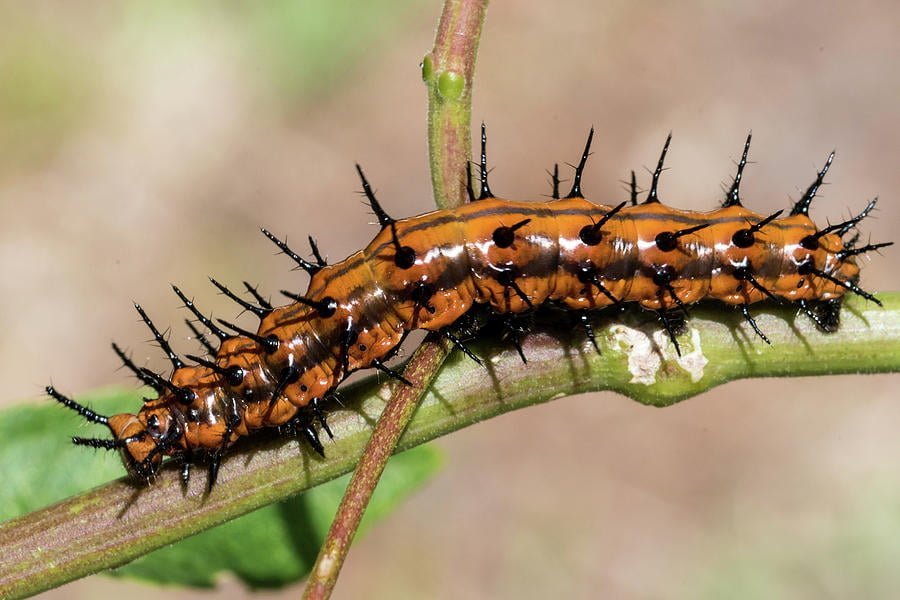
6. Release adult butterflies
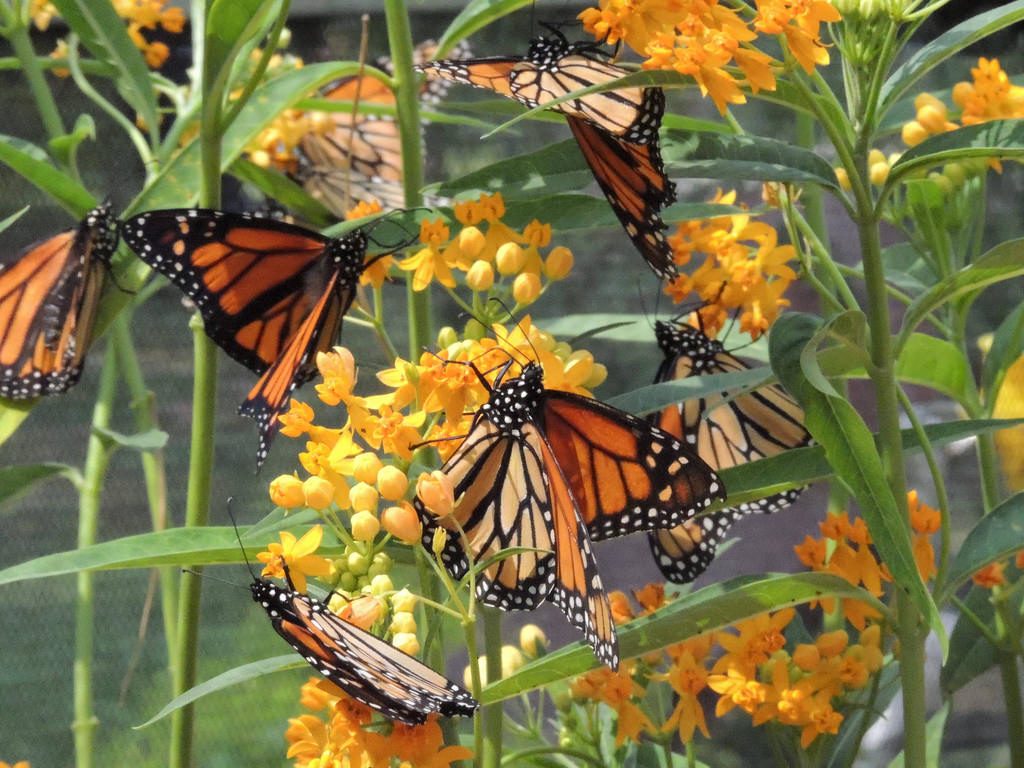
Once the caterpillars have pupated and transformed into adult butterflies (chrysalis to butterfly), carefully release them back into the garden. It’s essential to provide a suitable habitat with appropriate food sources and shelter for released butterflies.
7. Document and study
Encourage kids to keep a journal or create a project to document their butterfly farming experiences. They can record observations, note the number and species of butterflies they encounter, and document any changes they make in their garden to attract more butterflies.

8. Spread awareness
Share your knowledge and experiences with others. Encourage friends, family, or schoolmates to create their own butterfly gardens and participate in butterfly conservation efforts. By raising awareness, kids can contribute to protecting and preserving butterfly populations.

Remember, it’s essential to respect and care for the natural environment and the well-being of butterflies. If you plan to collect eggs or caterpillars from the wild, make sure to do so responsibly and with the necessary permits or permissions if required in your area.
Together, as Butterfly Farmers, we can continue to restore native plants and animals… one day at a time!