Johnny Butterflyseed – Premium Milkweed Seeds for a Wilder America
We supply high-quality, ecologically vital milkweed seeds—helping gardeners, conservationists, and rewilders restore monarch habitats across North America.
From classic common milkweed (Asclepias syriaca) to rare & endangered species, our seeds support biodiversity, drought-resistant landscapes, and the survival of pollinators.
Every packet planted = more butterflies, healthier ecosystems, and a stronger fight against extinction.
(Psst… Looking for hard-to-find regional varieties? We’ve got those too)
🌱 Grow the change. Plant milkweed today.
-
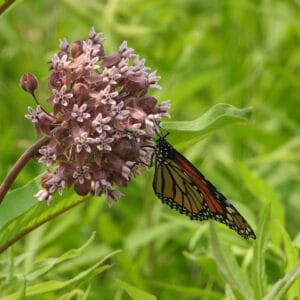
UnCommon Milkweed Seeds (Asclepias Syriaca) for North America
$4.00
Add to cart
-
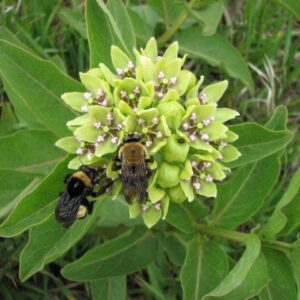
25 Green Antelopehorn Seeds (Asclepias viridis)
$4.00
Add to cart
-
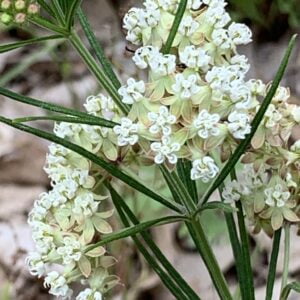
50 Whorled Milkweed Seeds (Asclepias Verticillata)
$4.00
Add to cart
-
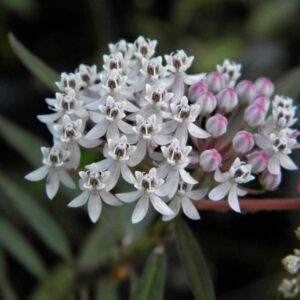
50 Aquatic Milkweed Seeds (Asclepias perennis) White Swamp Milkweed for U.S. Southeast and Midwest
$3.00
Add to cart
-
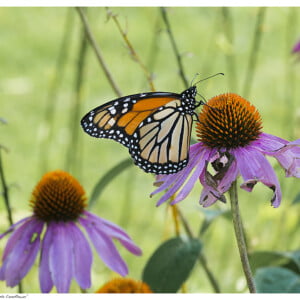
50 Organic Purple Coneflower Seeds (Echinacea purpurea) for North America
$4.00
Add to cart
-
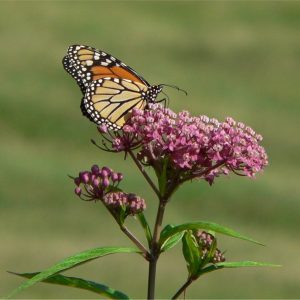
50 Swamp Milkweed Seeds (Asclepias incarnata) for North America
$3.00
Add to cart
-
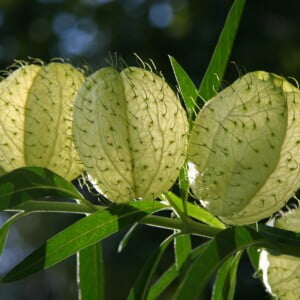
20 Hairy Balls Milkweed Seeds (Asclepias physocarpa) for U.S. & Mexico
$4.00
Add to cart
-
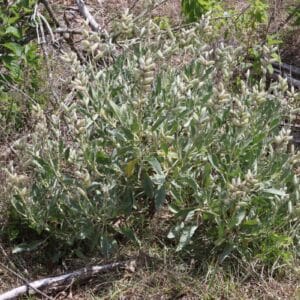
10 Florida-Native Sandhill Lupine Seeds (Lupinus cumulicola) for U.S. Southeast
$4.00
Add to cart
Our SEEDS
Larval Host Plant Seeds
All butterflies require a specific plant or family of plants for their eggs and caterpillars.
Nectar Plant Seeds
Adult butterflies and other pollinators require the quick fuel of flower nectar. Now that’s Flower Power.
Shelter Plant Seeds
Butterfly caterpillars need to build their chrysalis in strong shrubs, bushes, and trees with woody stems, called Shelter Plants.
Why johnny butterflyseed?
Larval Host Seeds
Butterflies rely on their Larval Host Plants. A ‘Butterflyseed’ is a larval host seed. If you grow a butterfly’s larval host, you will grow those butterflies.
20 Years of Experience
More than two decades of experience studying butterflies within the ecology of Florida’s xeric uplands; from Passionvine to Prickly Pear.
Education
With a heavy emphasis on endangered species, such as the Monarch Butterfly, we focus on education about North American butterflies and their larval host plants.
johnny’s blog
Introducing “UnCommon Milkweed” – A Monarch Superhost for Zones 3–8
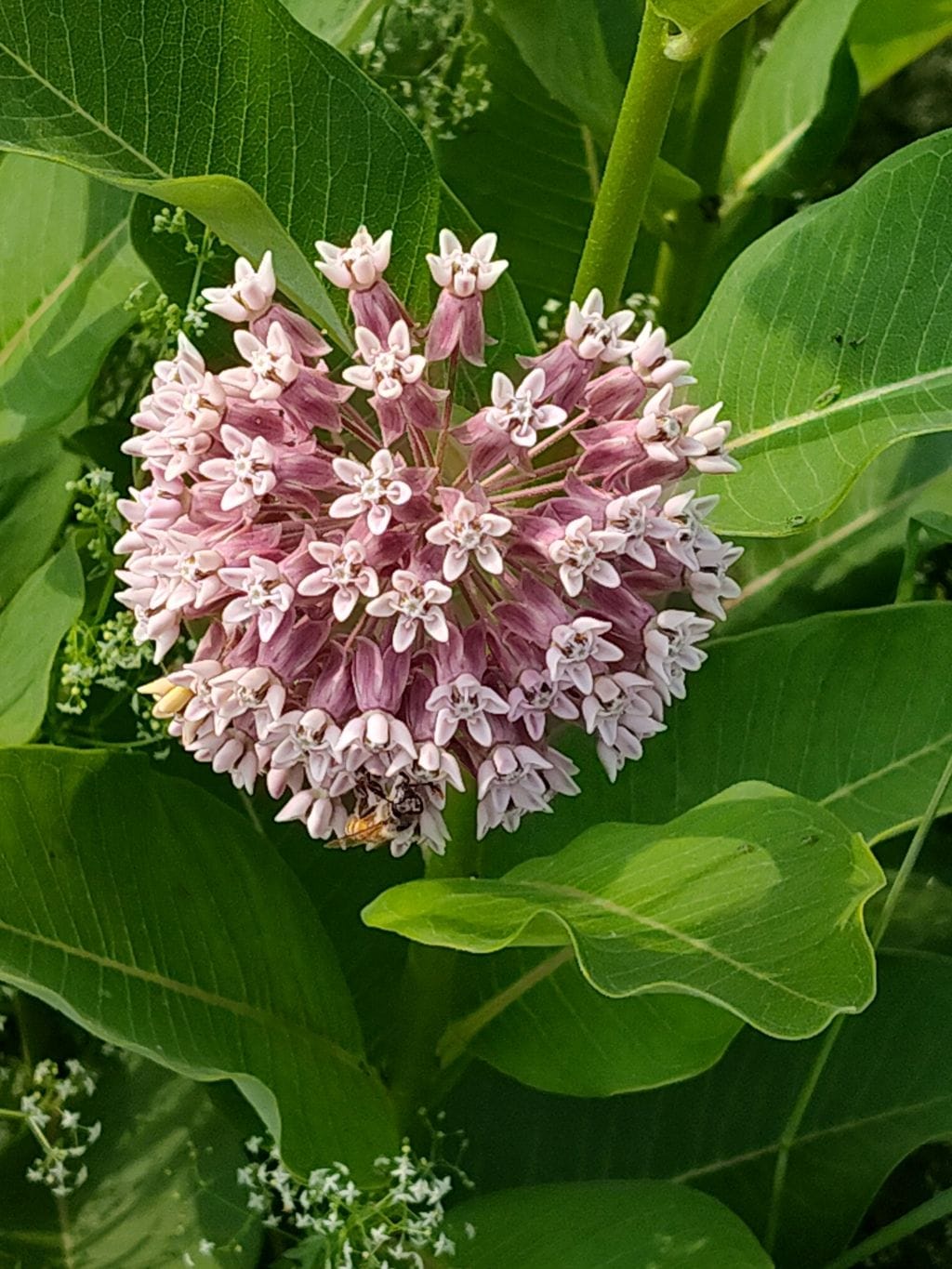
At Johnny Butterflyseed, we’re thrilled to announce our newest native seed offering: UnCommon Milkweed Seeds (Asclepias syriaca) — a powerful larval host plant for the endangered Monarch Butterfly: Native to the eastern and central U.S., A. syriaca is one of the most important milkweeds for supporting Monarch caterpillars. It produces broad leaves, fragrant summer blooms, and dense colonies that provide both nourishment and shelter throughout the butterfly’s migration. It thrives in USDA Zones 3 through 8, preferring full sun and plenty of space to spread — and spread it will. Each micropacket of UnCommon Milkweed contains 50+ cold-hardy seeds, weighing…
The Cult of Consensus: How iNaturalist Betrays the Spirit of Citizen Science

Since 2020, I’ve contributed to iNaturalist in good faith—as a naturalist, an ecologist, and someone who values the interconnectedness of all living systems. I joined the platform under the impression that it would amplify local knowledge and expand our collective understanding of biodiversity. What I found instead was an interface-driven cult of consensus, a pseudo-scientific social network that rewards conformity, punishes dissent, and reduces ecological nuance to a performative game of speed and status. What iNaturalist claims to be—a tool for empowering citizen science—is undermined at every level by its design and its community culture. The system rewards rapid identifications,…
Misidentification of Swallowtails in the Absence of Host Plants: A Case Study from the Lake Wales Ridge
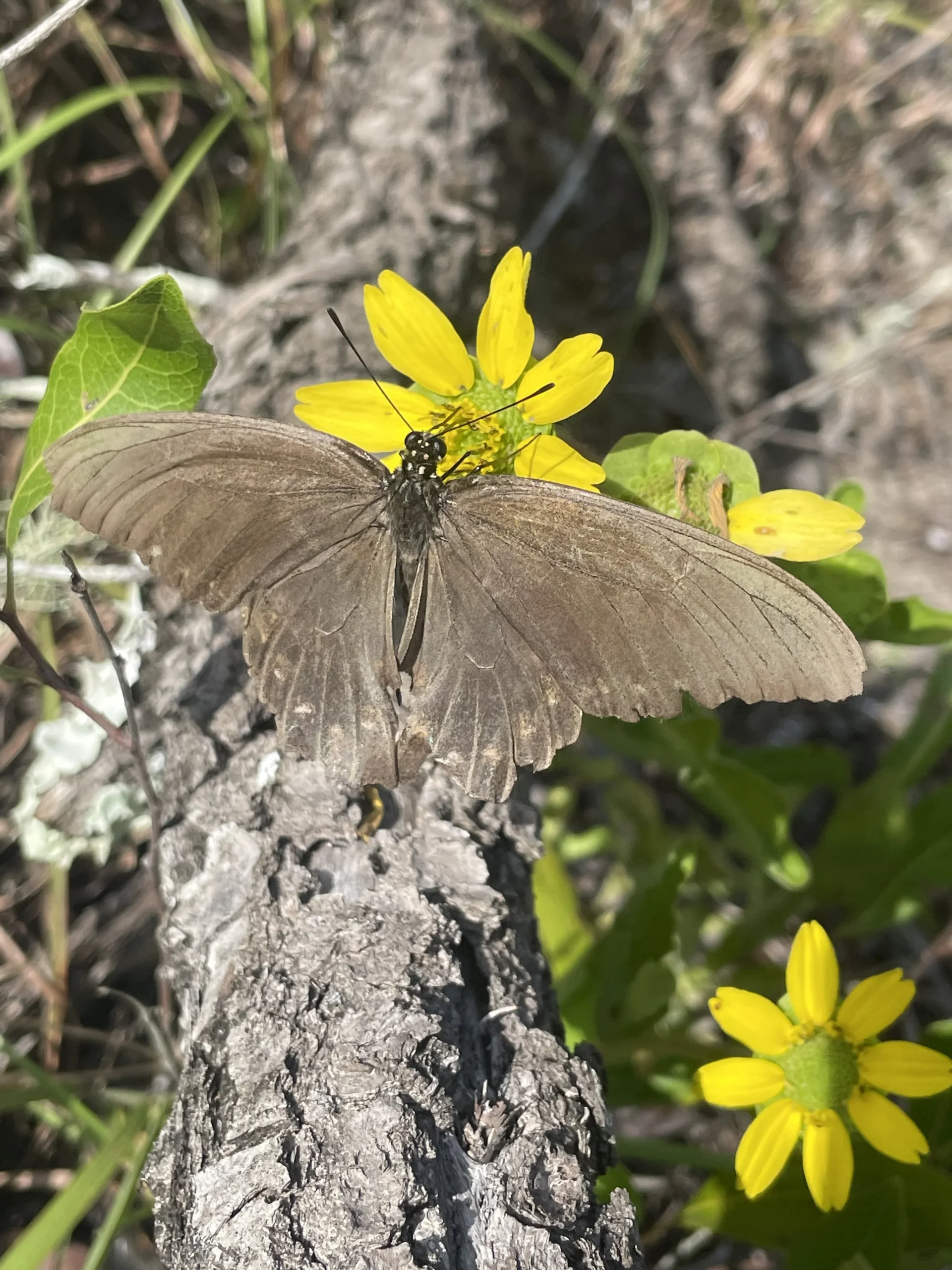
In the world of citizen science and digital naturalism, there’s a growing reliance on photographic evidence for species identification. Platforms like iNaturalist have democratized biodiversity data collection, but they’ve also opened the door to misidentification when context is ignored—especially ecological context. Nowhere is this more apparent than in the frequent mislabeling of worn swallowtail butterflies, where a faded dorsal view is often treated as conclusive evidence despite lacking key morphological features and, more importantly, local host plant verification. This case study focuses on a commonly misidentified specimen from the Lake Wales Ridge in central Florida—an ecological island of ancient sandhill,…
Creating an Ecological Haven for Warblers: A Gardener’s Guide
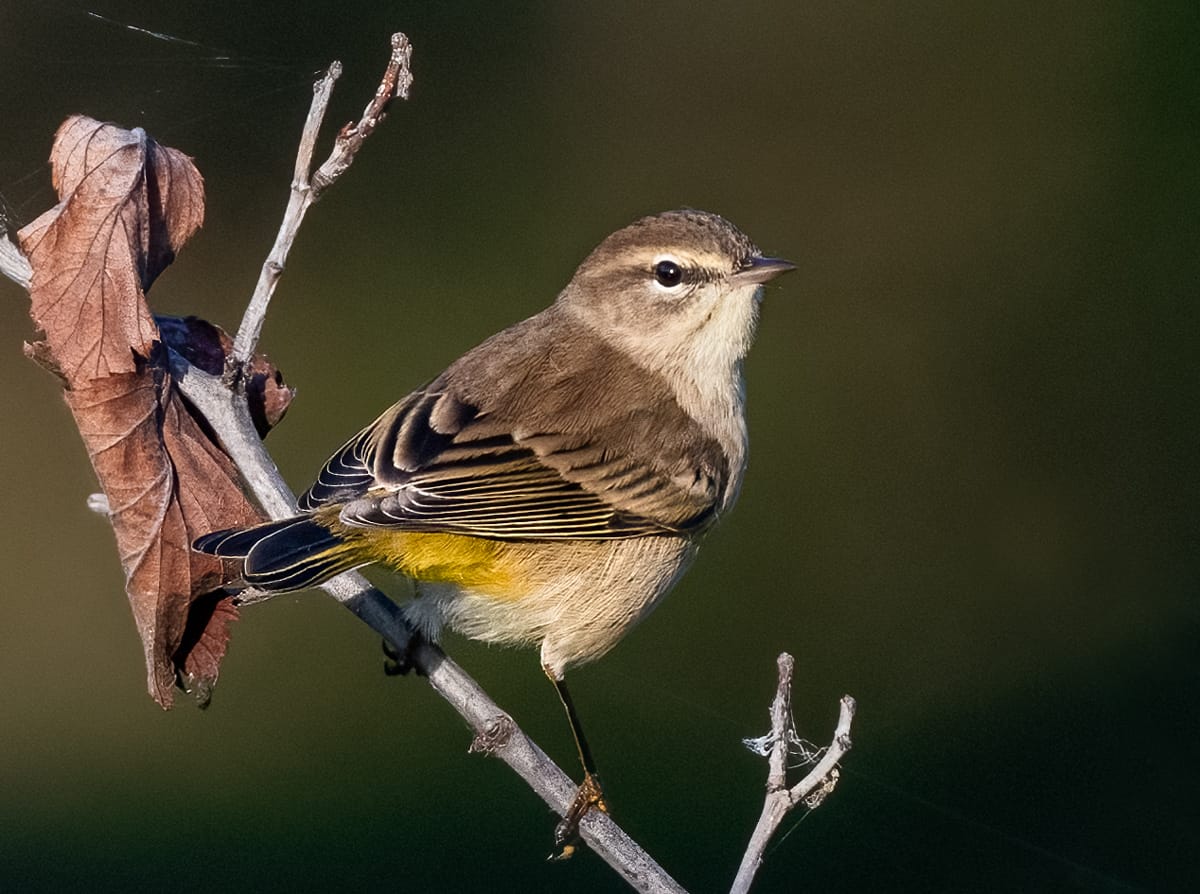
By Johnny Butterflyseed Florida is home to a dazzling variety of Warblers—small, energetic songbirds that rely on healthy, interconnected ecosystems to thrive. While these birds are often associated with forests and wetlands, gardeners and landscapers have a unique opportunity to create an ecological space that supports warblers year-round. By planting the right trees, shrubs, and wildflowers, providing food sources, and even setting up DIY nest boxes, we can help sustain these birds while also supporting the butterflies and insects that form a crucial part of their diet. Why Warblers Need Our Help Warblers depend on native habitats for nesting, foraging,…
Why Florida’s “Dollarweed” Deserves a New Name: Meet the Butterflies that Call Hydrocotyle Home
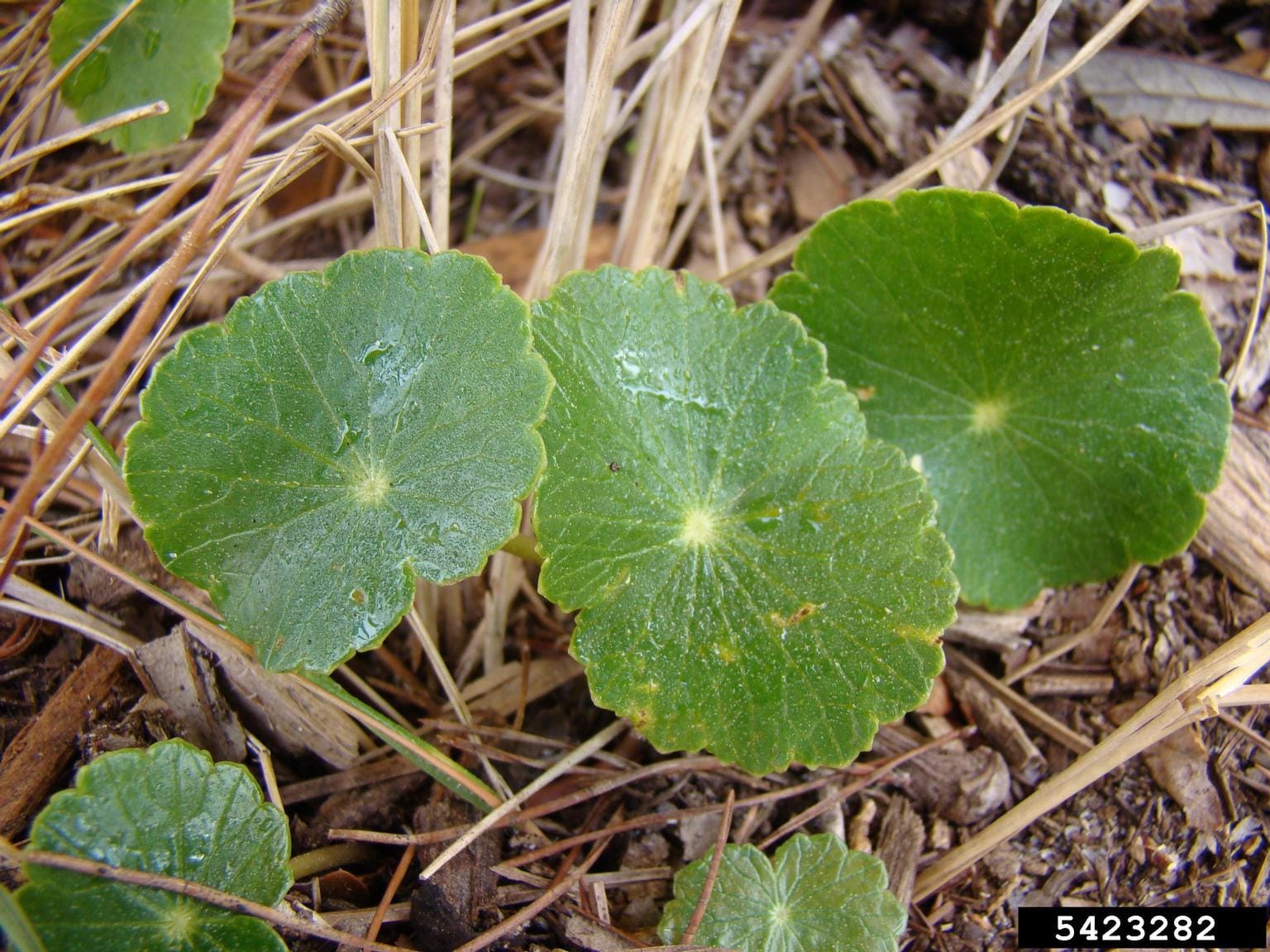
By Johnny Butterflyseed If you’ve spent any time tending a Florida lawn or garden, you’ve likely come across Dollarweed (Hydrocotyle spp.). With its round, shiny leaves resembling silver dollars, it’s often labeled as a nuisance—sprayed, pulled, and cursed. But what if this so-called “weed” is actually a vital part of Florida’s native ecosystem? It’s time to rethink Dollarweed as something more valuable than a garden pest. In fact, we propose a new name: Dollarfly or Satyrfeed, reflecting the important role Hydrocotyle plays in supporting native butterflies—especially members of the Satyrinae subfamily. These understated yet remarkable butterflies depend on Hydrocotyle and…
The Truth About Tropical Milkweed (Asclepias curassavica): A Florida-Native Species Worth Understanding
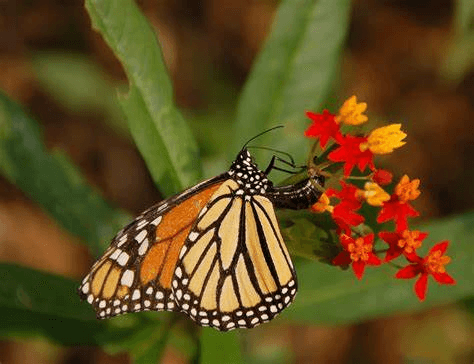
Let’s be clear: Tropical Milkweed is indeed a Florida-native species within USDA Plant Hardiness Zones 10 and above.
Research-Grade Protocols for Germinating Olive Seeds (Olea europaea)
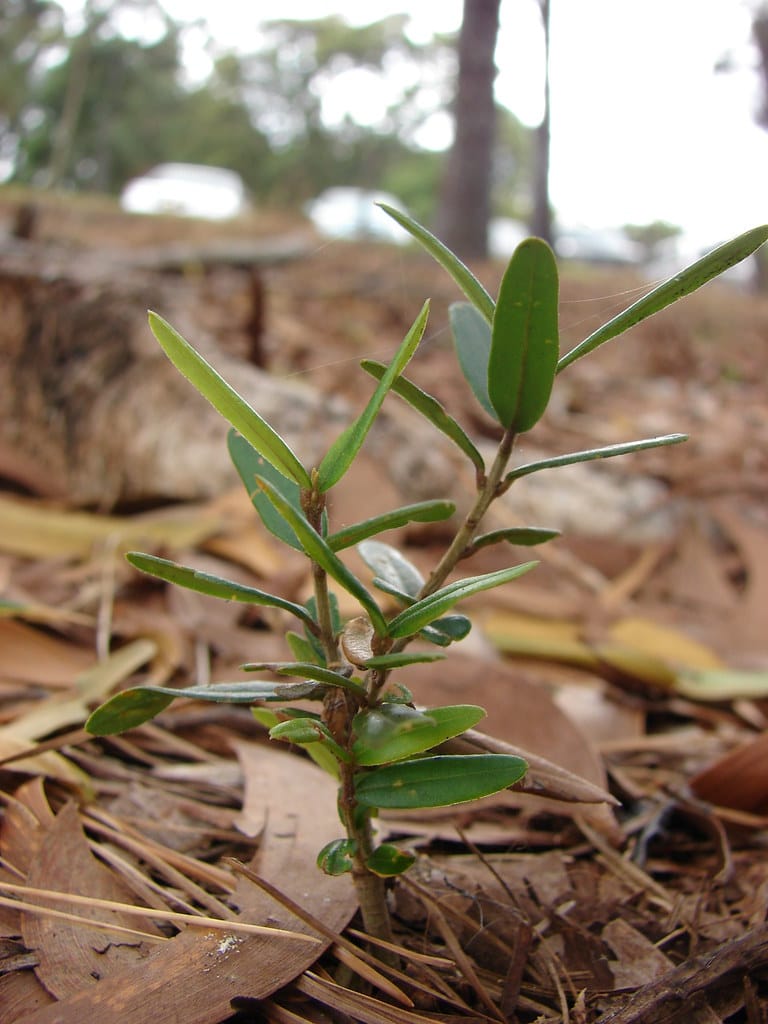
If you’ve ever tried to germinate olive tree seeds, you probably understand why most olive “seedlings” sold online are actually propagated from stem cuttings. Olive seed germination is notoriously difficult, thanks to a complex dormancy mechanism and a hard, water-resistant endocarp that protects the seed within. This isn’t a process where you sprinkle seeds in soil and expect sprouts in a few weeks; it requires patience, precision, and an understanding of the seed’s natural cues. At Johnny Butterflyseed, what began as a passion for helping gardeners and enthusiasts plant trees has evolved into a full-scale exploration of germination science. Through…
Whorled Milkweed (Asclepias verticillata)
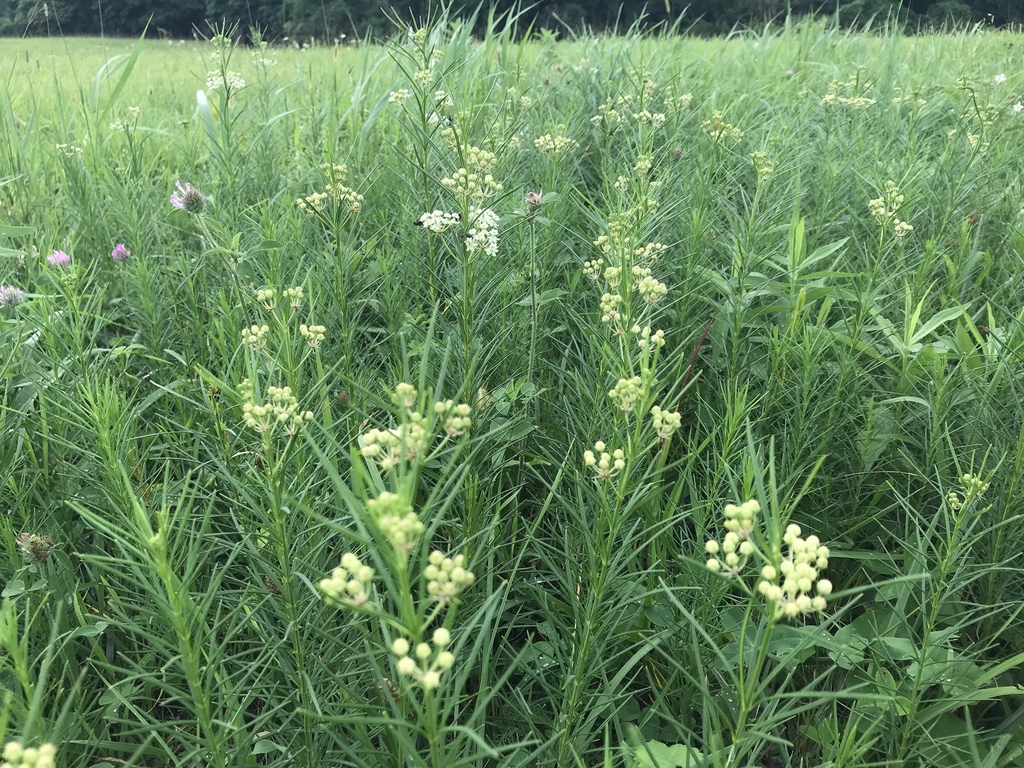
Whorled Milkweed is one of the many varieties of milkweed that are critical to the survival of the Monarch Butterfly (Danaus plexippus).
Our Address
2000 Cheney Highway Suite 260 Titusville, FL 32780-6028




-
UnCommon Milkweed Seeds (Asclepias Syriaca) for North America
$4.00
Add to cart
-
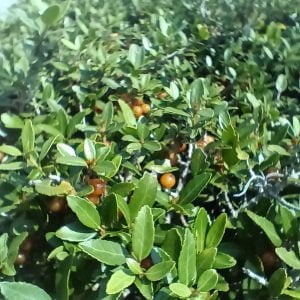
50 “Black Drink Holly” Seeds (Ilex nigrempotum) formerly “Yaupon”
$4.00
Add to cart
-
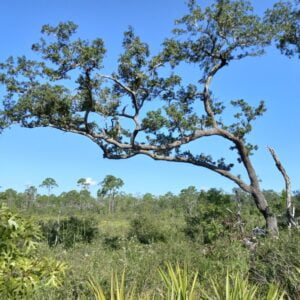
5 Florida-Native Sand Live Oak Seeds (Quercus Geminata)
$3.00
Add to cart
-
25 Green Antelopehorn Seeds (Asclepias viridis)
$4.00
Add to cart
Eastern Tiger Swallowtail4 Posts
Zebra Longwing (Heliconius charithonia)1 Posts
-
UnCommon Milkweed Seeds (Asclepias Syriaca) for North America
$4.00
Add to cart
-
50 “Black Drink Holly” Seeds (Ilex nigrempotum) formerly “Yaupon”
$4.00
Add to cart
-
5 Florida-Native Sand Live Oak Seeds (Quercus Geminata)
$3.00
Add to cart
-
25 Green Antelopehorn Seeds (Asclepias viridis)
$4.00
Add to cart