Top 10 Reasons Johnny Says, “Plant More Milkweed!”
Johnny always says, “Plant More Milkweed!” But why? We ask the really tough question, and report back in Top 10 Style!
Vascular plants that are required by the larva of Butterflies (Papilionoidea)

Johnny always says, “Plant More Milkweed!” But why? We ask the really tough question, and report back in Top 10 Style!
This list represents just a selection of notable ones and their associated larval host plants.
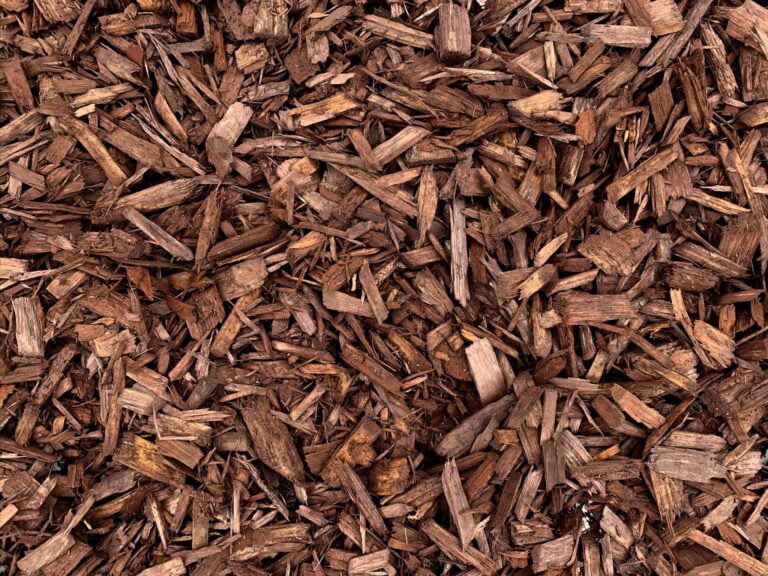
Mulch, unnatural in the wild, can have both positive and negative effects on butterfly gardening, depending on various factors.
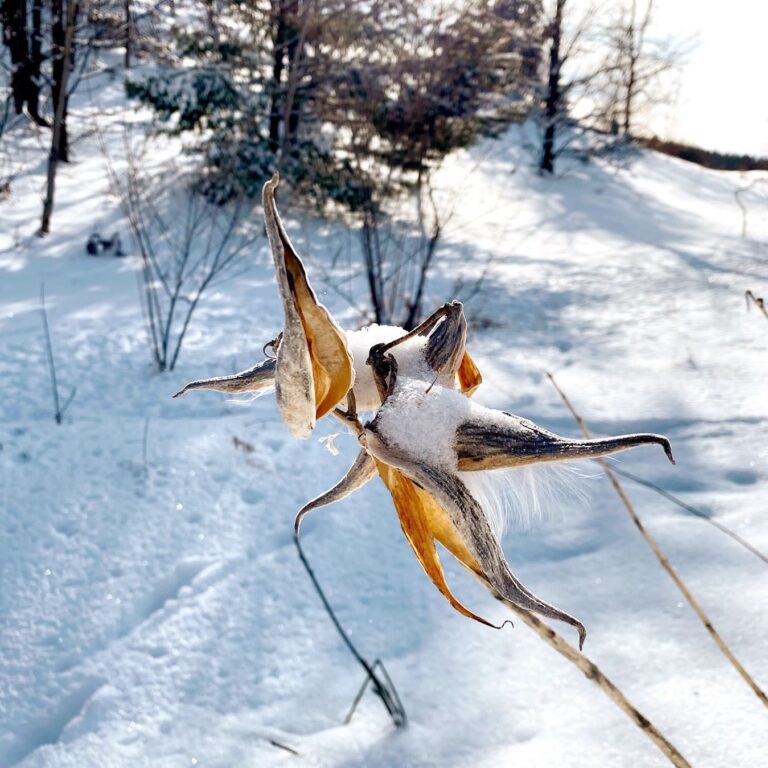
Cold stratification is a process that helps break seed dormancy by subjecting seeds to a period of cold and moist conditions, mimicking the natural winter conditions they would experience in their native habitats.

In USDA Zone 9, where winters tend to be mild, cold stratification may not be necessary for all plant species. Cold stratification helps break seed dormancy and promotes more reliable and consistent germination.
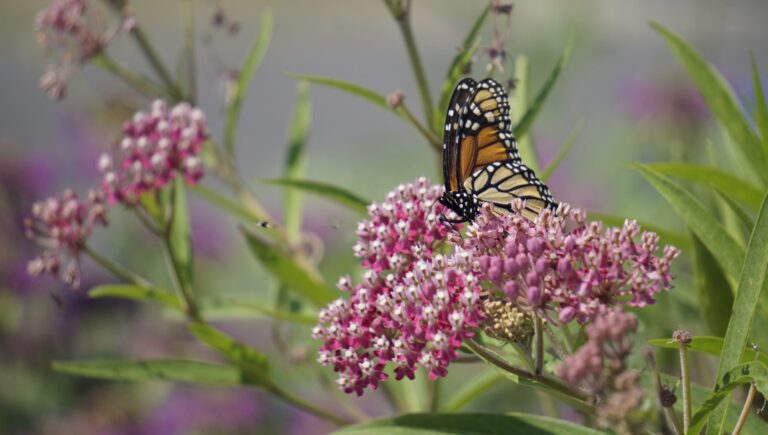
By planting Swamp Milkweed, you will attract butterflies, including Monarch butterflies, and provide a habitat for their caterpillars… one day at a time!

The Caribbean Islands bioregion, located in the Neotropical Realm, incorporates all 700 of the islands and islets of the Caribbean Sea, with the exception of Aruba, Curaçao, and other small islands just off the coast of Venezuela. It is home to various species of butterflies. Some of the butterflies native to the Caribbean include: Jamaican Giant Swallowtail (Papilio homerus)…

While the name “Swamp Milkweed” may evoke images of wetlands and moisture, it is important to note that this plant is highly adaptable and can thrive in various growing conditions.