The Many Benefits of Dill in North American Butterfly and Vegetable Gardens
In North American gardens, dill serves as both a delightful addition to vegetable gardens and a vital component of butterfly gardens.
Swallowtail Butterflies
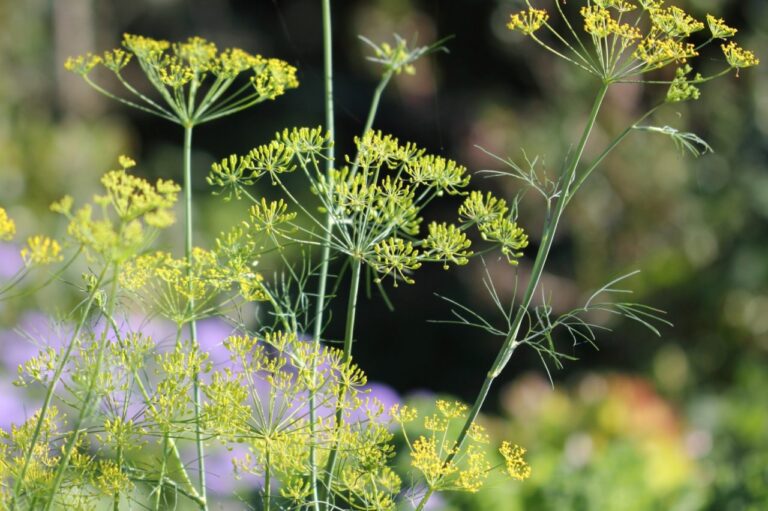
In North American gardens, dill serves as both a delightful addition to vegetable gardens and a vital component of butterfly gardens.
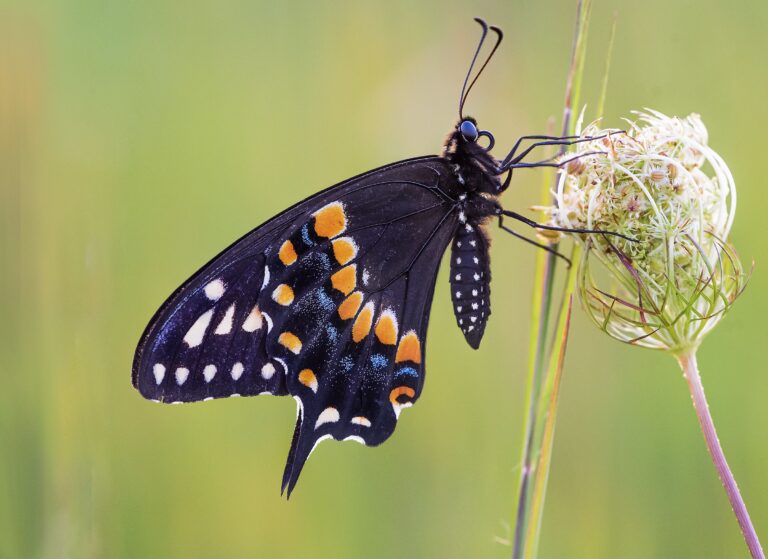
Let’s delve into the fascinating world of the Black Swallowtail and explore its life cycle, habitat, behavior, and its role in North America’s ecosystem.

The Zebra Swallowtail and the Zebra Longwing are both butterfly species known for their striking black and white striped patterns. While they share some similarities, there are several key differences between them.

Their distinct wing patterns, geographic ranges, and host plant preferences contribute to their unique characteristics and make Tigers and Zebras somewhat easily distinguishable from each other.
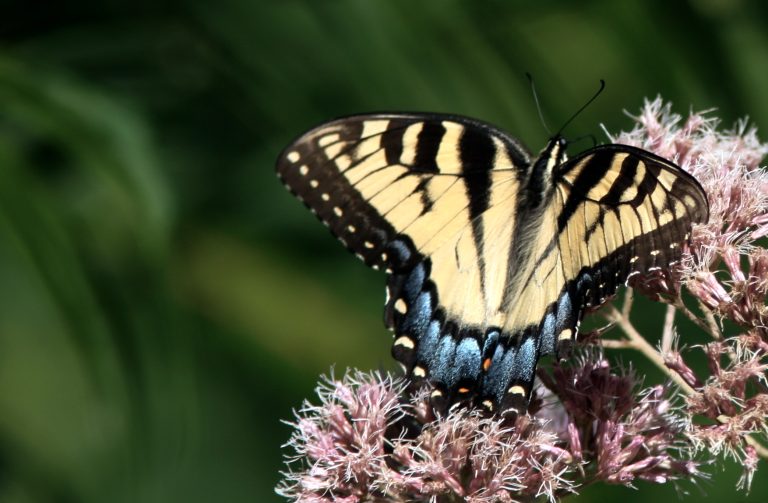
The Eastern Tiger Swallowtail (Papilio glaucus) and the Eastern Giant Swallowtail (Papilio cresphontes) are two distinct butterfly species that are difficult to identify but can be differentiated by several features.
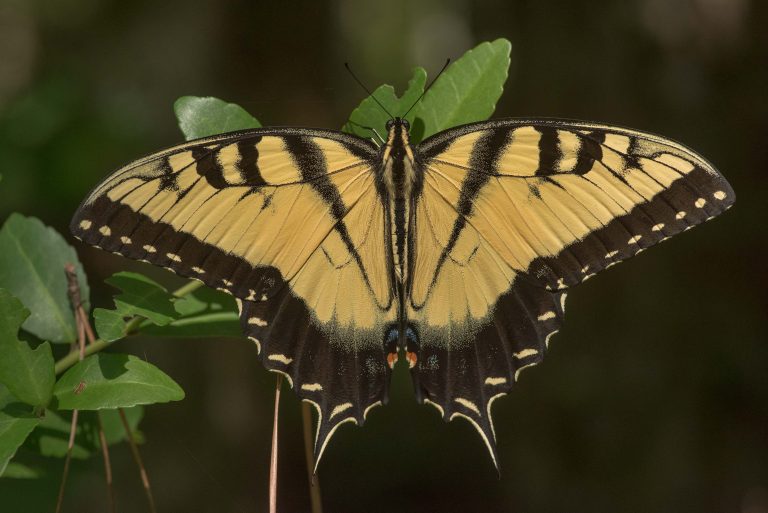
Sweetbay Magnolia (Magnolia virginiana) and the Tulip Tree (Liriodendron tulipifera) are commonly utilized by Eastern Tiger Swallowtail caterpillars.
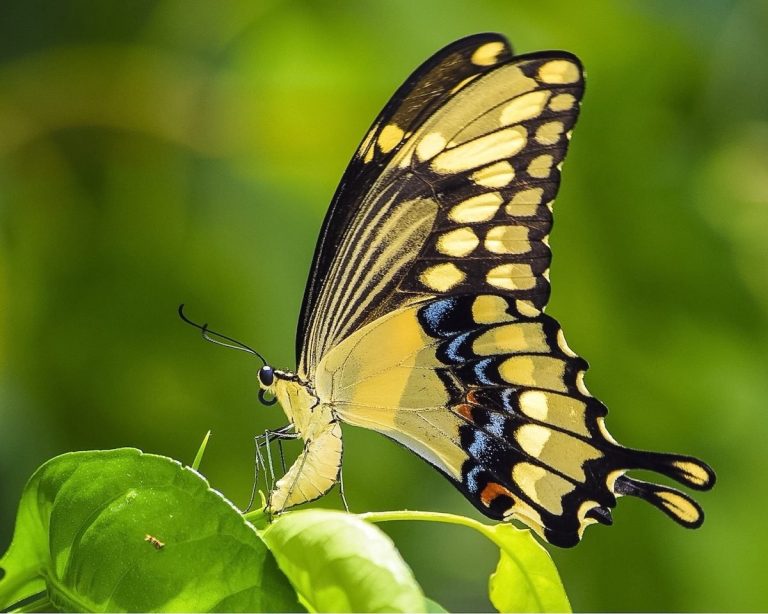
The caterpillars of this butterfly species feed on various Citrus trees, including Lemon (Citrus limon), Lime (Citrus aurantifolia), Orange (Citrus sinensis), Grapefruit (Citrus × paradisi), and other related species.
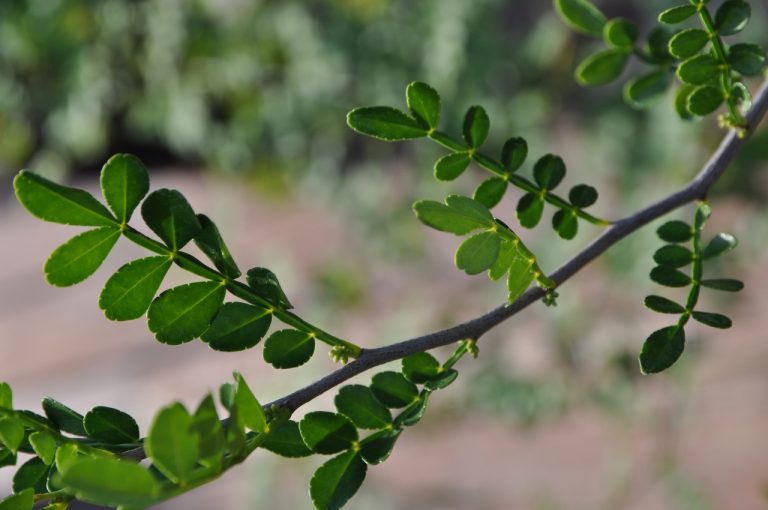
Wild Lime (zanthoxylum fagara) provides food for Eastern Giant & Schaus’ Swallowtail butterfly larva, and can replace Japanese Boxwood in the yard or garden.