“Never Frass Uphill”: A Day in the Life of Marty the Monarch Caterpillar
Marty the Monarch Caterpillar shares some wisdom that’s been passed down from generation to generation: “Never Frass Uphill.”
Superfamily which contains all butterflies
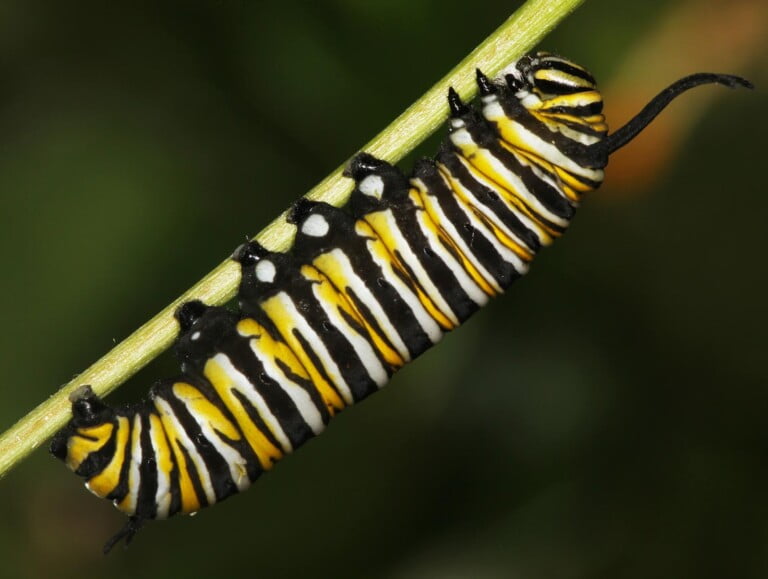
Marty the Monarch Caterpillar shares some wisdom that’s been passed down from generation to generation: “Never Frass Uphill.”
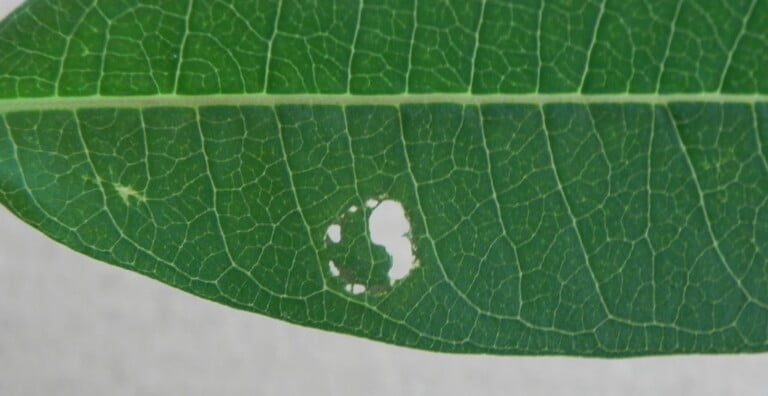
In this DIY guide, Johnny walks you through the process of testing milkweed leaves for the presence of O.E. spores using just a 40X student-grade microscope.
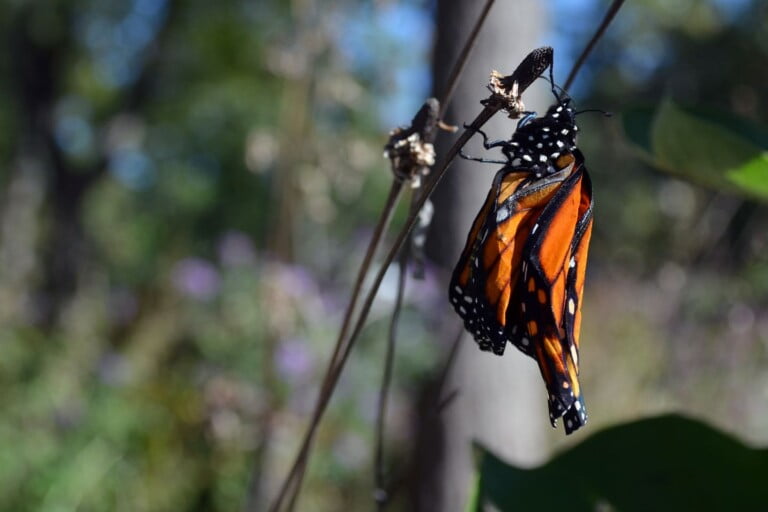
Understanding O.E., its implications, and how to test for it is crucial for both scientific research and butterfly conservation efforts.
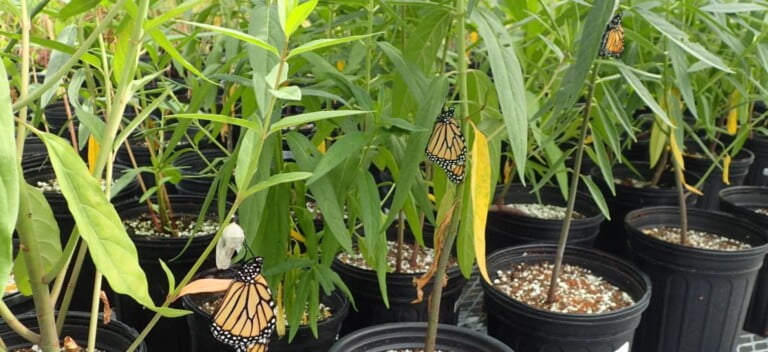
Growing Asclepias incarnata in containers or raised beds offers a flexible solution for gardeners with limited space or those wanting to control soil quality. Here’s a guide to successfully cultivating Swamp Milkweed in such settings.
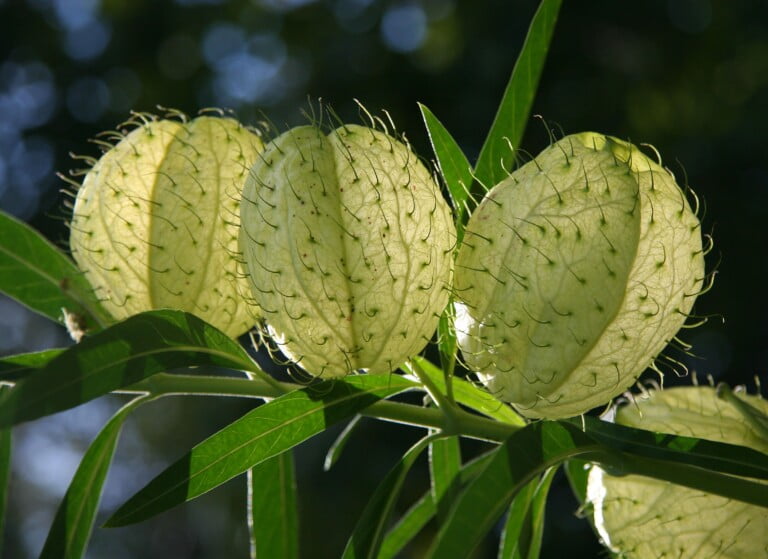
Asclepias physocarpa, commonly known as the Balloon Plant or Hairy Balls Milkweed, is originally native to southeast Africa. However, due to its unique appearance and benefits to wildlife, it has been introduced to various parts of the world, including North America.

Embracing the Florida Milkvine and other native plants is a step towards a more sustainable, biodiverse, and beautiful Florida.

The decline of Monarch butterflies, particularly in North America, is a well-documented phenomenon, with multiple studies providing evidence of this decline over the past few decades. However, like many ecological topics, the specific causes, extent, and implications of the decline can be areas of debate and research.

On one hand, we have the top-down approach, where larger institutions and governmental bodies wield vast resources and regulatory powers. On the other, there are grassroots efforts, where individuals and communities make direct interventions.