Where is Common Milkweed Native?
Johnny lists the states and provinces of North America where Common Mikweed is common.
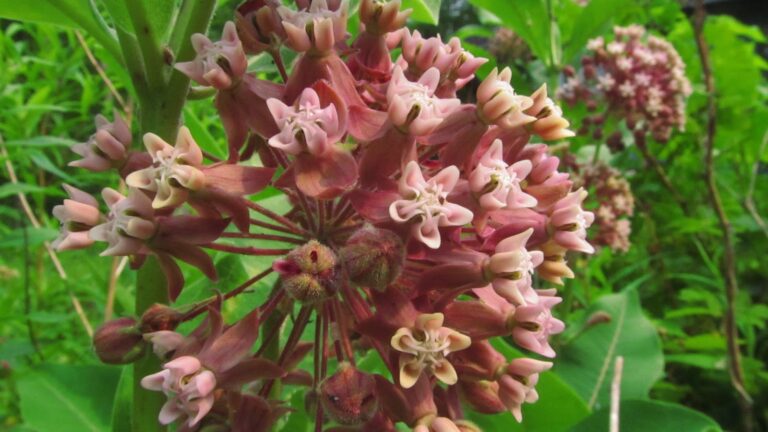
Johnny lists the states and provinces of North America where Common Mikweed is common.
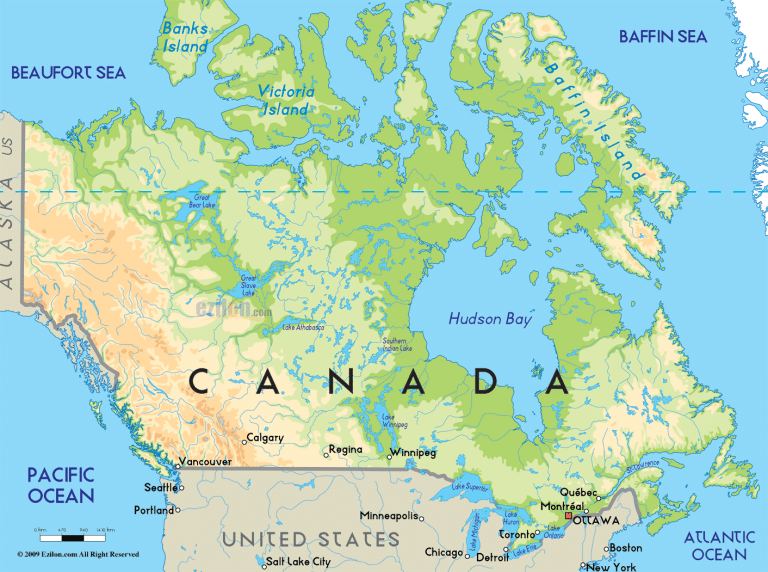
In Canada, there are several species of Milkweed that can be found. Here are some of the known Asclepias species in Canada

Helping to save the endangered monarch butterfly is a fantastic project for a Girl Scout troop. Here are some ideas and activities your troop can undertake to make a positive impact.
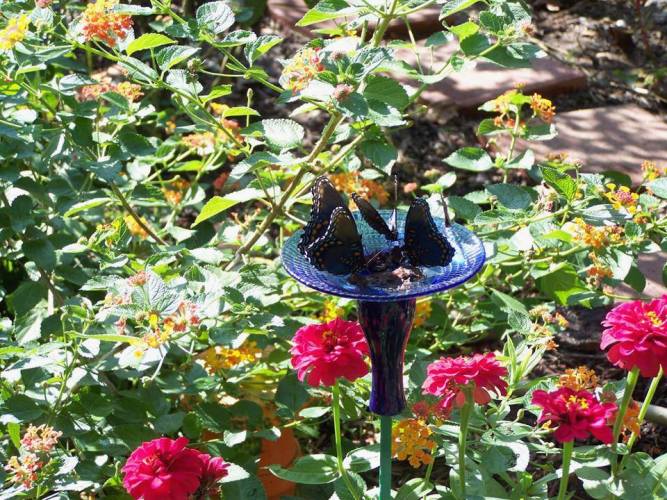
Creating a butterfly feeding station is a wonderful way to attract and support butterflies in your garden or outdoor space. Here’s a step-by-step guide to help you make a butterfly feeding station.
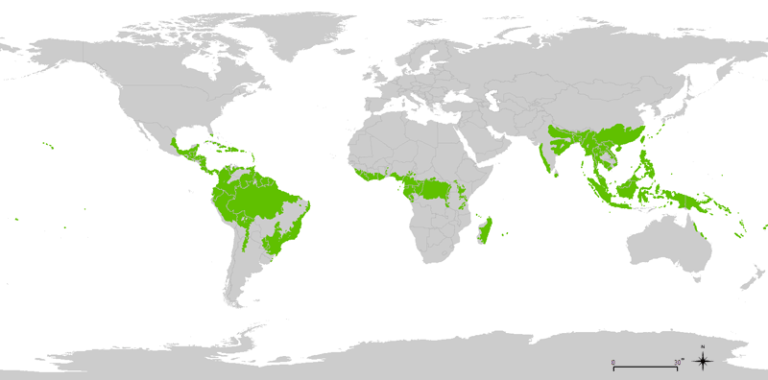
Asclepias curassavica, commonly known as Tropical Milkweed, Mexican Butterflyweed, Bloodflower, or Scarlet Milkweed, is technically native to the Neotropical Realm, which includes several countries in the Americas and the state of Florida in the United States. Tropical Milkweed’s native range includes the following continents (and countries, states): 1. North America (including half of Mexico and…
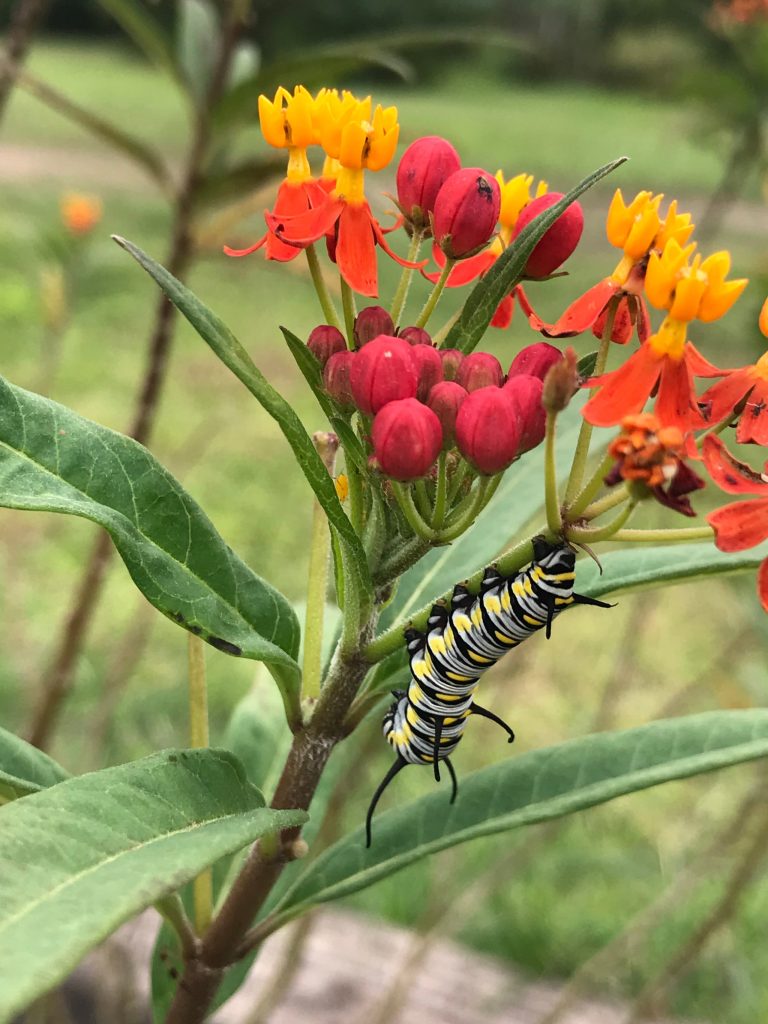
Asclepias curassavica, commonly known as Tropical Milkweed, Mexican Butterflyweed, or Bloodflower, is native to several countries in the Americas, including Mexico. In Mexico, Asclepias curassavica is native to the following states: 1. Baja California 2. Baja California Sur 3. Sonora 4. Sinaloa 5. Nayarit 6. Jalisco 7. Colima 8. Michoacán 9. Guerrero 10. Oaxaca 11….
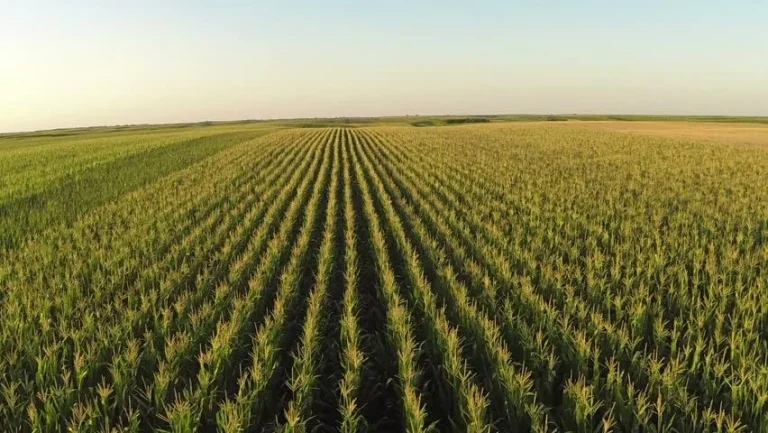
There are a handful of U.S. States which have listed Milkweed species (Asclepias) in some form. There are also federally-listed Milkweed species which applies to many states. Johnny Butterflyseed has gathered some answers for you. Quick Answer Any U.S. state with native prairieland will likely have endangered Milkweed, due to habitat destruction. Federally-Listed Milkweed Applies…
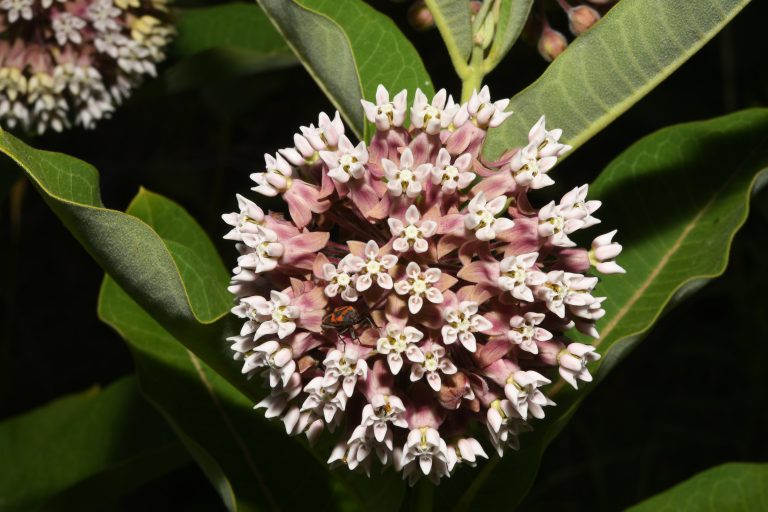
“Asclepias” is a genus of perennial plants commonly known as Milkweeds with toxic milky sap that protects Milkweed Butterfly larva.