Symbolism of the Monarch Butterfly
The Monarch butterfly is rich in symbolism and has been associated with various meanings across different cultures and contexts.

The Monarch butterfly is rich in symbolism and has been associated with various meanings across different cultures and contexts.
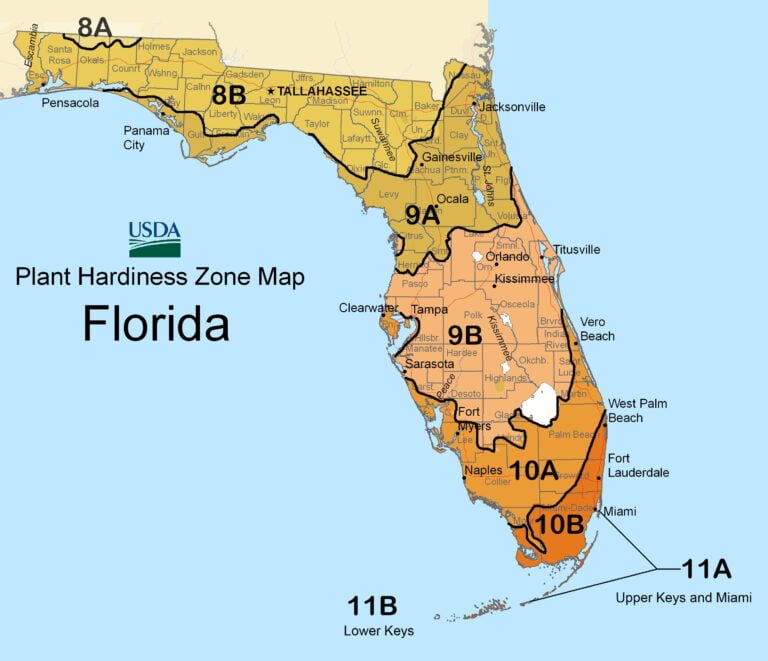
In Florida, you’ll find a total of eight USDA subzones: 8a through 11b.
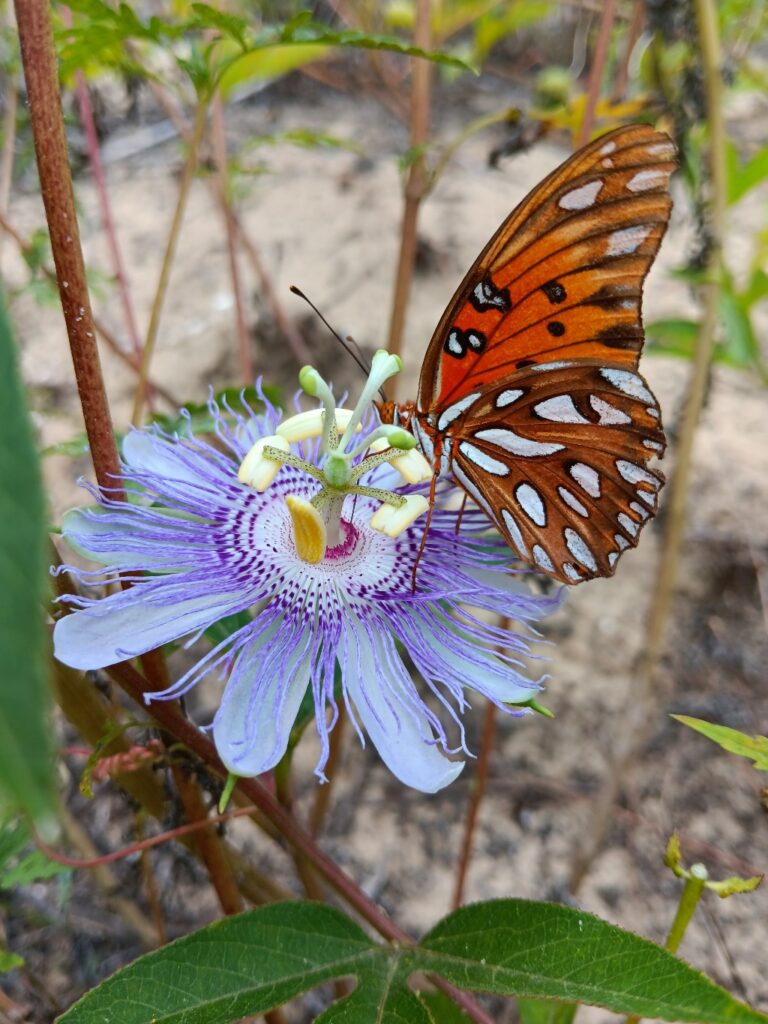
The Gulf Fritillary’s existence is intimately connected to the genus Passiflora and particularly the Maypop Purple Passionvine.

Monarch butterflies lay eggs only on Milkweed plants. Baby caterpillars hatch and eat only Milkweed. The Milkweed helps them grow. When they are big, they turn into butterflies. Then they lay eggs on Milkweed too. It keeps going like this. No Milkweed, no Monarchs. Buy Milkweed Now:

The lifespan of a Monarch butterfly (Danaus plexippus) varies depending on the generation and time of year.

In one corner, wearing its orange and black, the reigning champion, the Monarch Butterfly! And in the other corner, the spunky up-and-comer wearing a strikingly similar ensemble, the Viceroy Butterfly!

The Longleaf Pine (Pinus palustris) being listed as Endangered under criteria A2cde by the IUCN Red List of Threatened Species in 2011 emphasizes the urgent need for conservation and protection of this species.
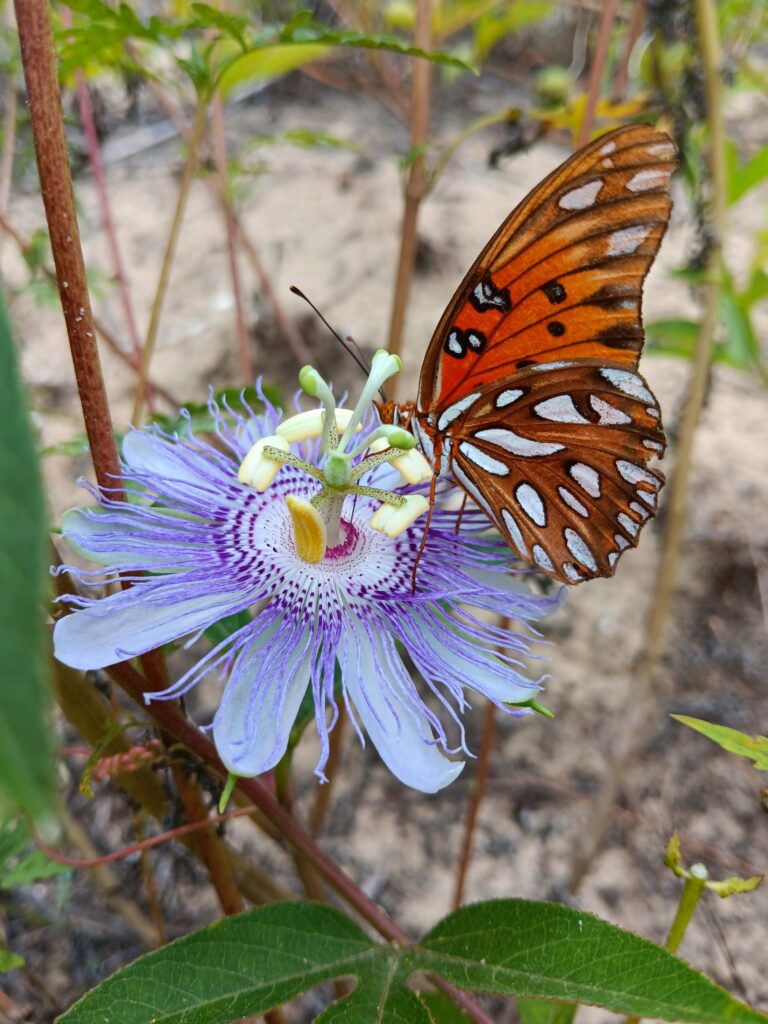
Passiflora incarnata, commonly known as the Purple Passionflower or Maypop, is a fast-growing perennial vine. Its native range is quite extensive within the United States, primarily encompassing the Southeast but reaching beyond as well.