English | Gardening | Horticulture | Monarch (Danaus plexippus) | Queen (Danaus gilippus) | Swamp Milkweed (Asclepias incarnata)
Growing Swamp Milkweed in Containers or Raised Beds
4. Watering:
- Frequency: While the plant prefers moist conditions, ensure the soil isn’t waterlogged. Water when the top inch of the soil feels dry.
- Amount: Water thoroughly, ensuring even moisture throughout the soil.
5. Sunlight:
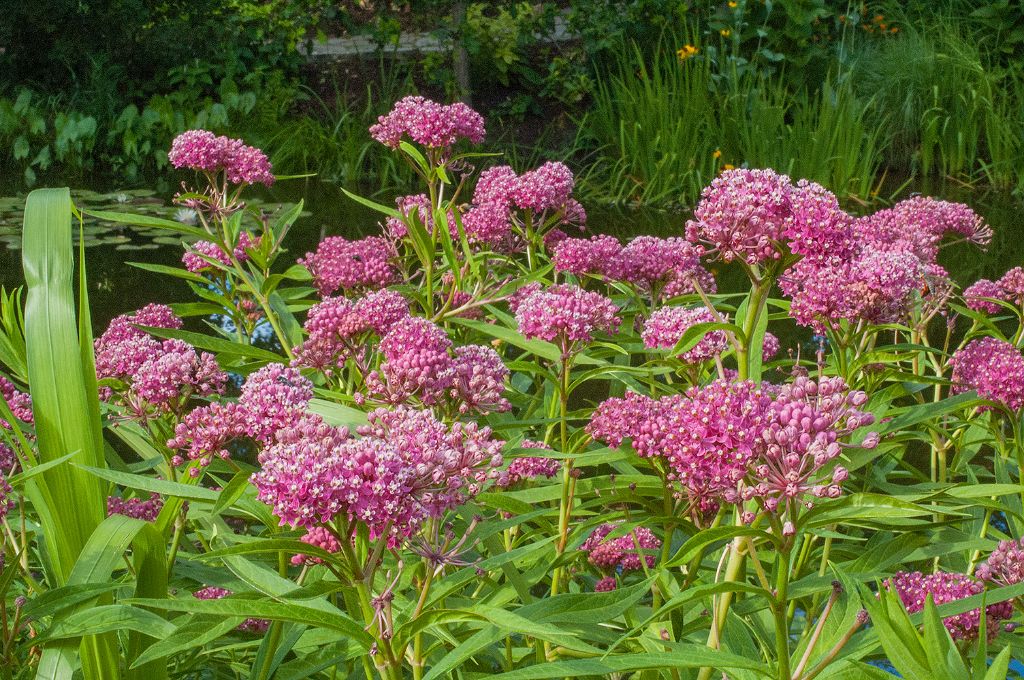
- Swamp Milkweed prefers full sun to partial shade. In the south’s intense summer heat, a bit of afternoon shade can be beneficial.
6. Fertilizing:
- Being a native plant, Swamp Milkweed isn’t particularly demanding when it comes to fertilizers. However, a balanced, slow-release fertilizer applied in spring can boost growth.
7. Pest and Disease Management:
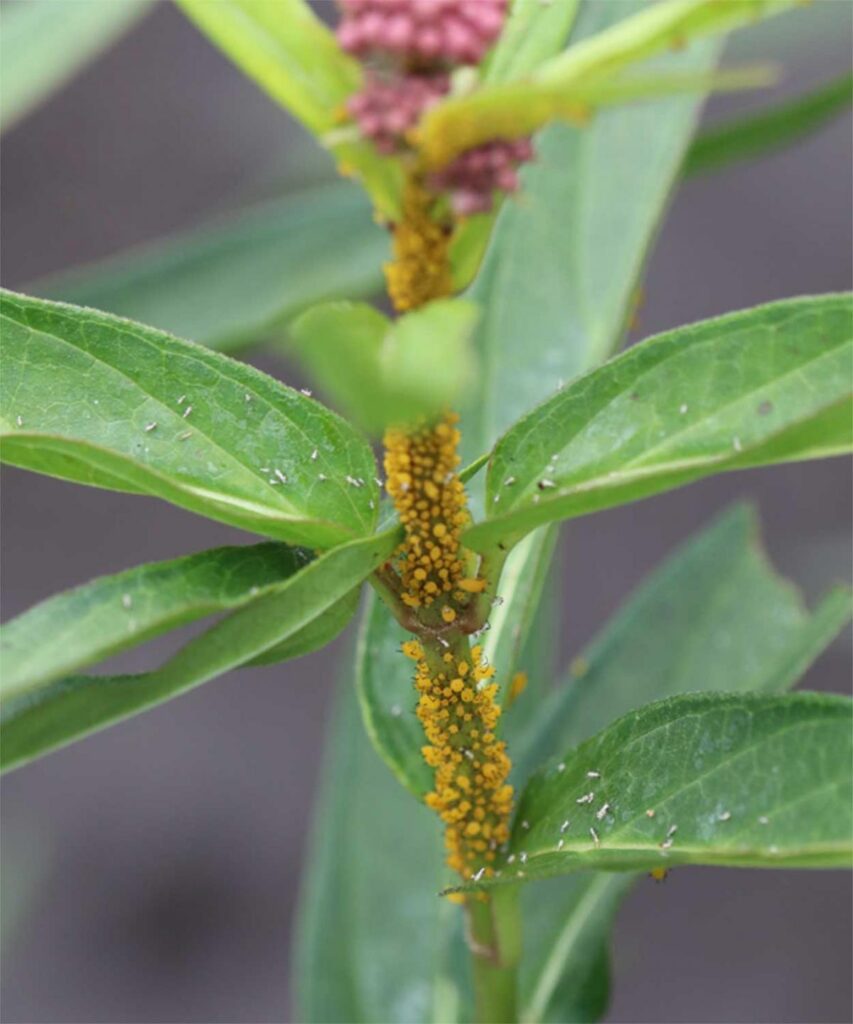
- While Swamp Milkweed is relatively disease-resistant, watch out for aphids. A strong water spray can dislodge them.
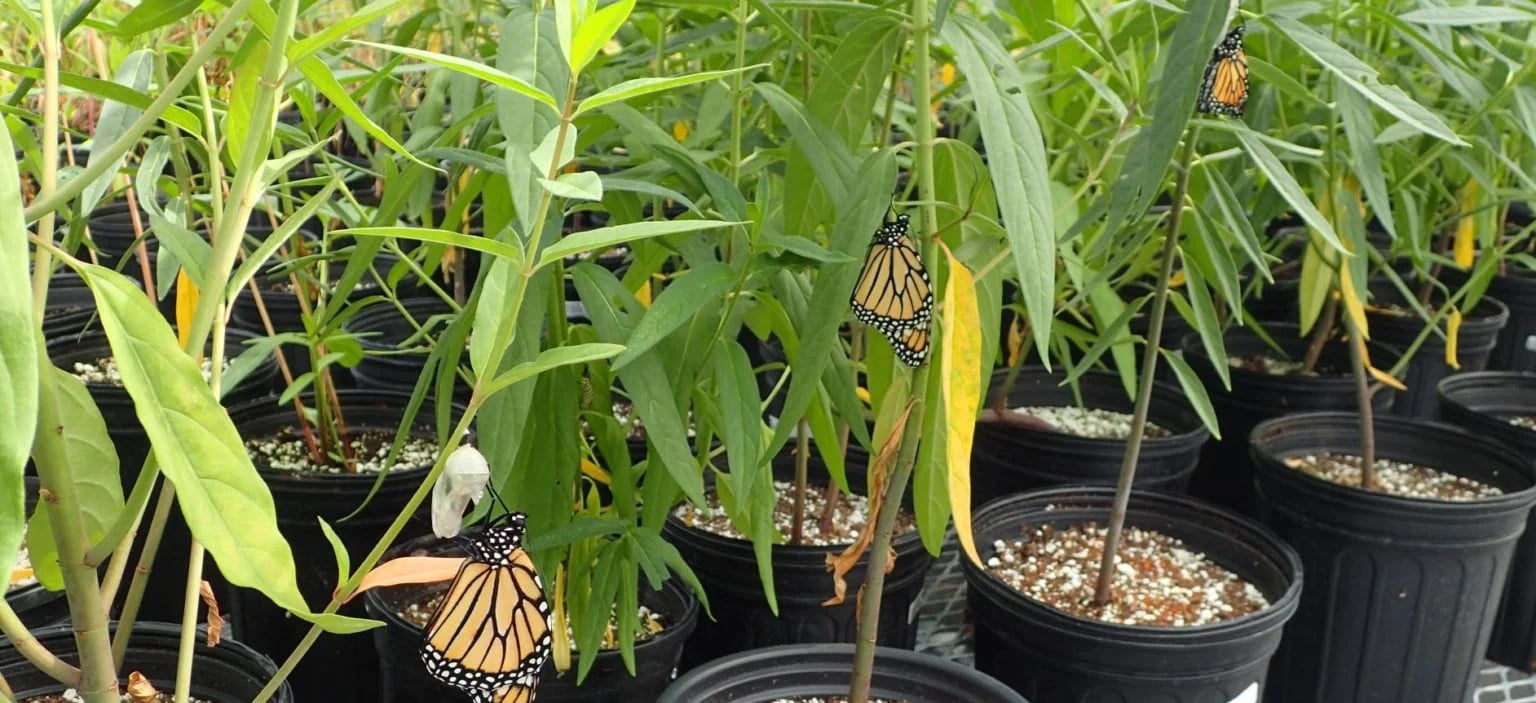
- Remember, you might spot Monarch caterpillars munching on the leaves. That’s a good sign! Avoid using pesticides that could harm them.
8. Winter Care:
- In Florida’s mild winters, Swamp Milkweed may remain evergreen. However, if the plant dies back, trim it to the ground. It will sprout back in spring.
Conclusion:
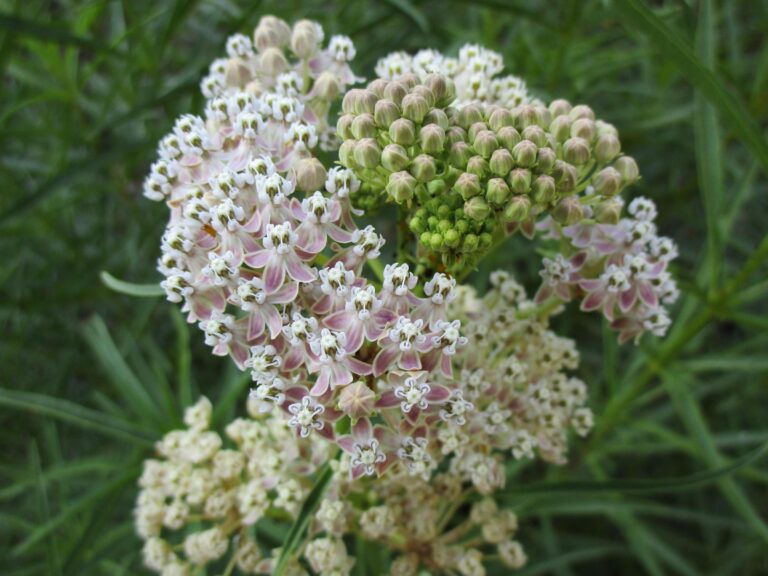
Growing Swamp Milkweed in containers or raised beds in Florida is a rewarding experience, both for gardeners and the environment. As you watch this native beauty flourish, you’ll also be playing a part in supporting the local ecosystem and providing a haven for Monarch butterflies. Whether you’re an experienced gardener or just starting out, Swamp Milkweed is a worthy addition to your green space.
Pages: 1 2