DIY Guide: How to Test Milkweed Plants for O.E. Using a 40X Student-Grade Microscope
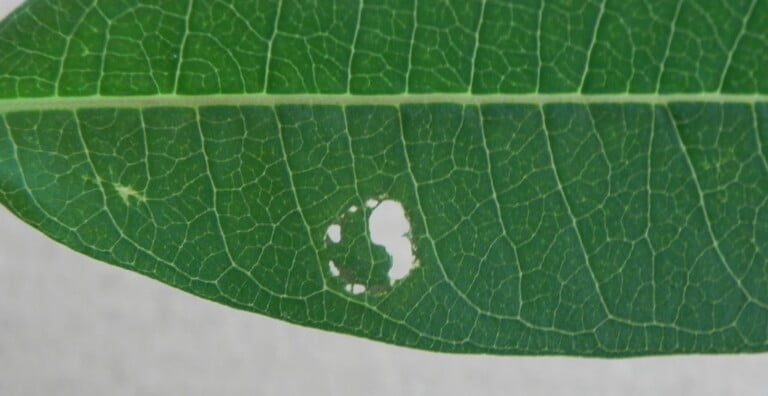
In this DIY guide, Johnny walks you through the process of testing milkweed leaves for the presence of O.E. spores using just a 40X student-grade microscope.
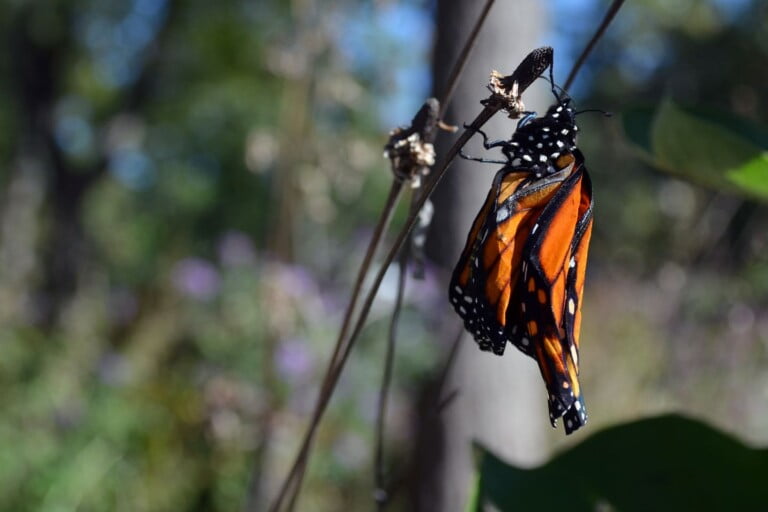
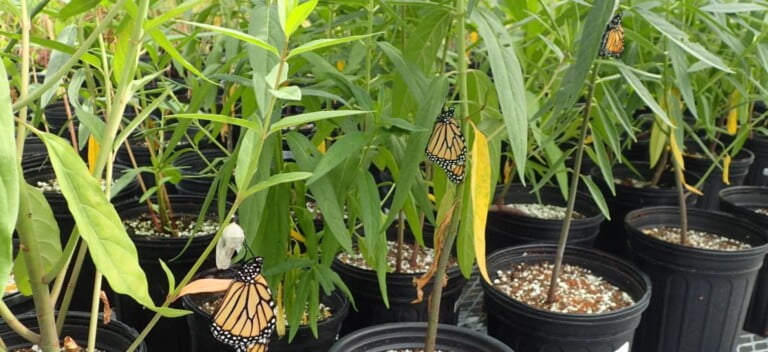
In this DIY guide, Johnny walks you through the process of testing milkweed leaves for the presence of O.E. spores using just a 40X student-grade microscope.
Understanding O.E., its implications, and how to test for it is crucial for both scientific research and butterfly conservation efforts.

Growing Asclepias incarnata in containers or raised beds offers a flexible solution for gardeners with limited space or those wanting to control soil quality. Here’s a guide to successfully cultivating Swamp Milkweed in such settings.

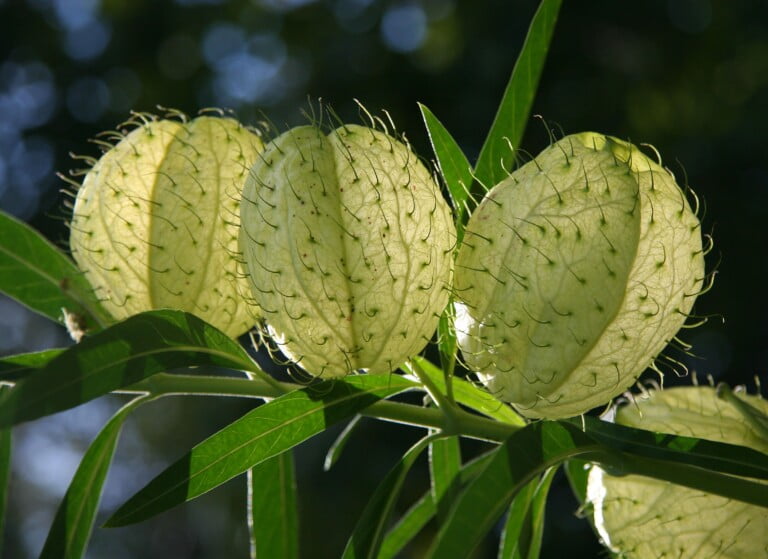
Asclepias physocarpa, commonly known as the Balloon Plant or Hairy Balls Milkweed, is originally native to southeast Africa. However, due to its unique appearance and benefits to wildlife, it has been introduced to various parts of the world, including North America.

Embracing the Florida Milkvine and other native plants is a step towards a more sustainable, biodiverse, and beautiful Florida.

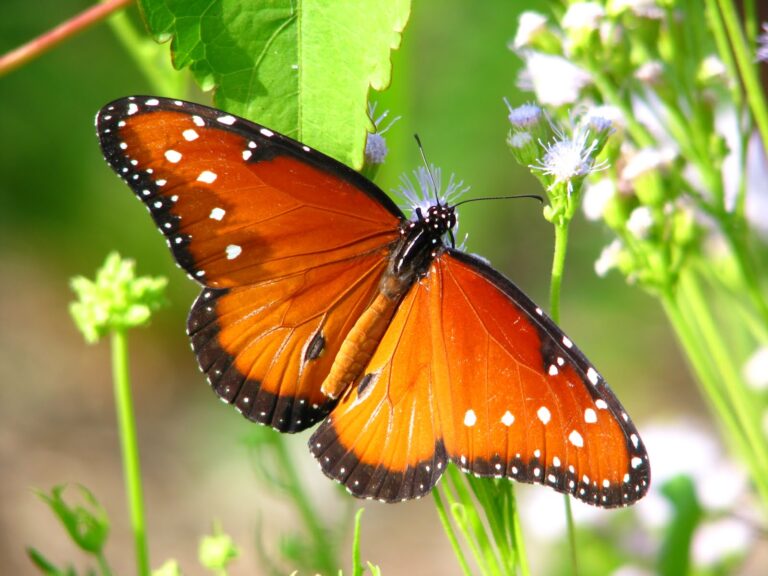
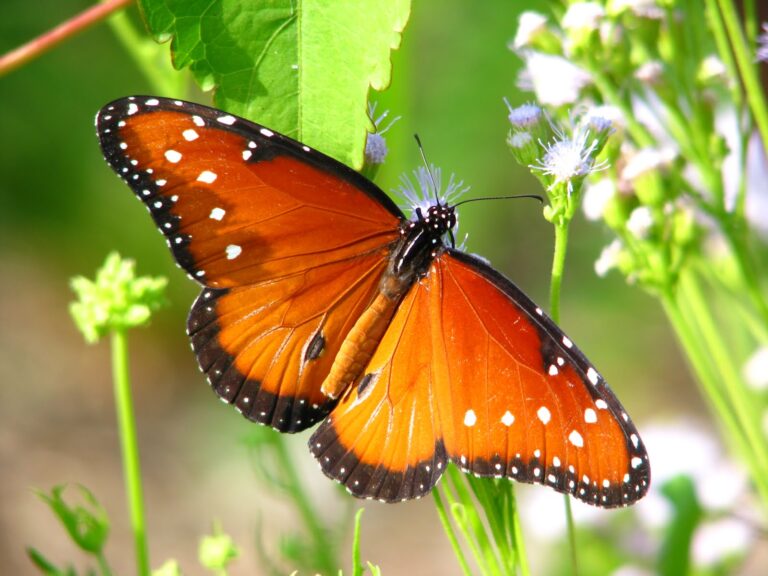
The Queen butterfly (*Danaus gilippus*), with its majestic name and captivating appearance, is one of North America’s most fascinating lepidopteran inhabitants.

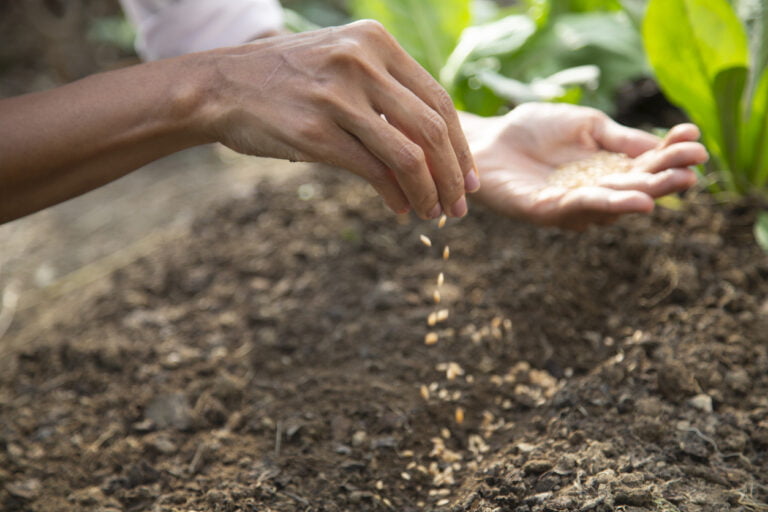
Plant More Milkweed—even just scattering seeds in suitable locations—is a simple yet powerful action that can have profound ecological benefits.

The relationship between the Queen Butterfly (Danaus gilippus) and its larval host plant stands as an exceptional testament to this delicate balance. This bond between an insect and plant has shaped the evolution, lifecycle, and survival strategies of both species