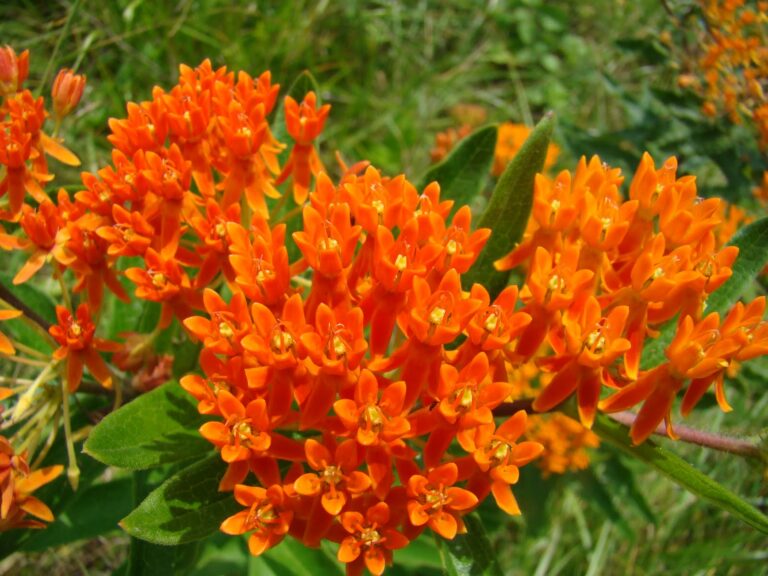
Asclepias Tuberosa: The Butterfly Weed
Despite its common name, Butterfly Weed is hardly a weed at all. Its beauty, ecological value, and ease of cultivation make it a prized plant for gardeners and conservationists
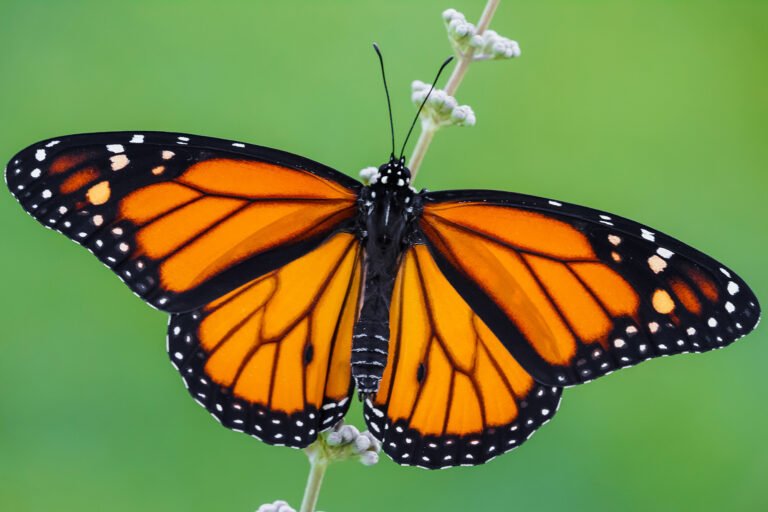
Brush-footed Butterflies include Monarchs, Emperors, Admirals, Tortoiseshells, and Fritillaries, and nearly 6000 other species.
Despite its common name, Butterfly Weed is hardly a weed at all. Its beauty, ecological value, and ease of cultivation make it a prized plant for gardeners and conservationists

The Monarch’s plight is emblematic of broader environmental challenges and is a call to action for preserving biodiversity and ecological balance… one day at a time!
Plant More Milkweed—even just scattering seeds in suitable locations—is a simple yet powerful action that can have profound ecological benefits.
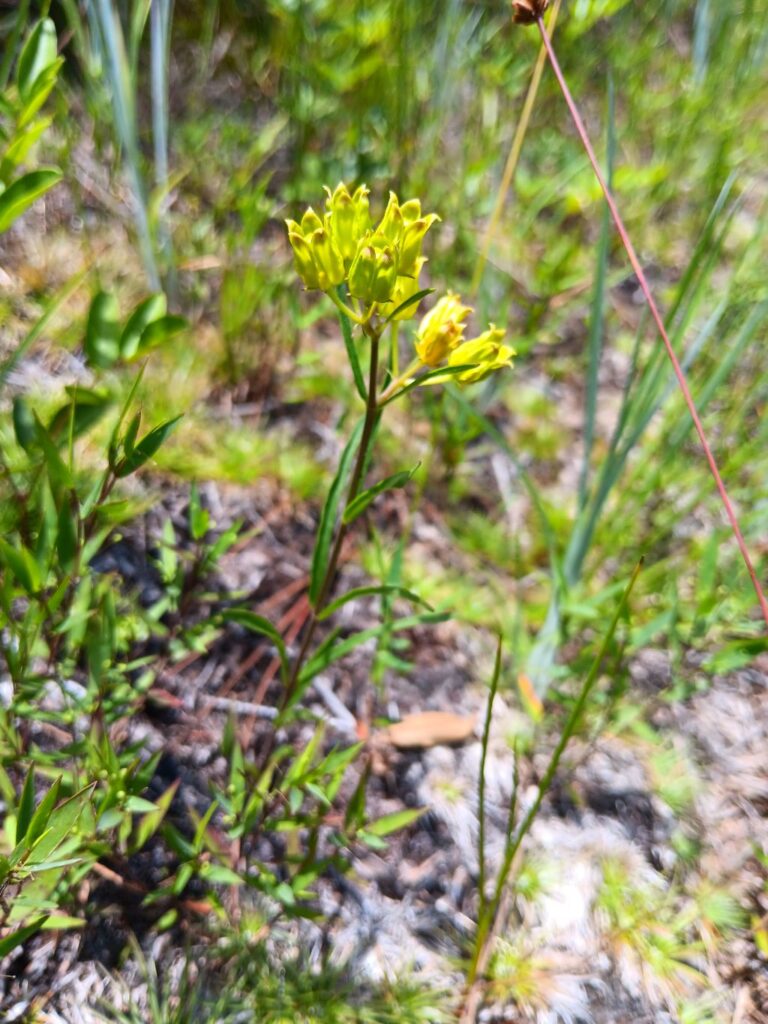
Savannah Milkweed (Asclepias pedicellata) is an essential component of the southeastern United States’ natural heritage.
They dance through day and into night,
Turns out, while it doesn’t make cheese, and it’s not a weed, Milkweed is a favorite among Monarch Butterflies and can be found all across Wisconsin’s pastures, prairies, and forests.
The Monarch butterfly is rich in symbolism and has been associated with various meanings across different cultures and contexts.
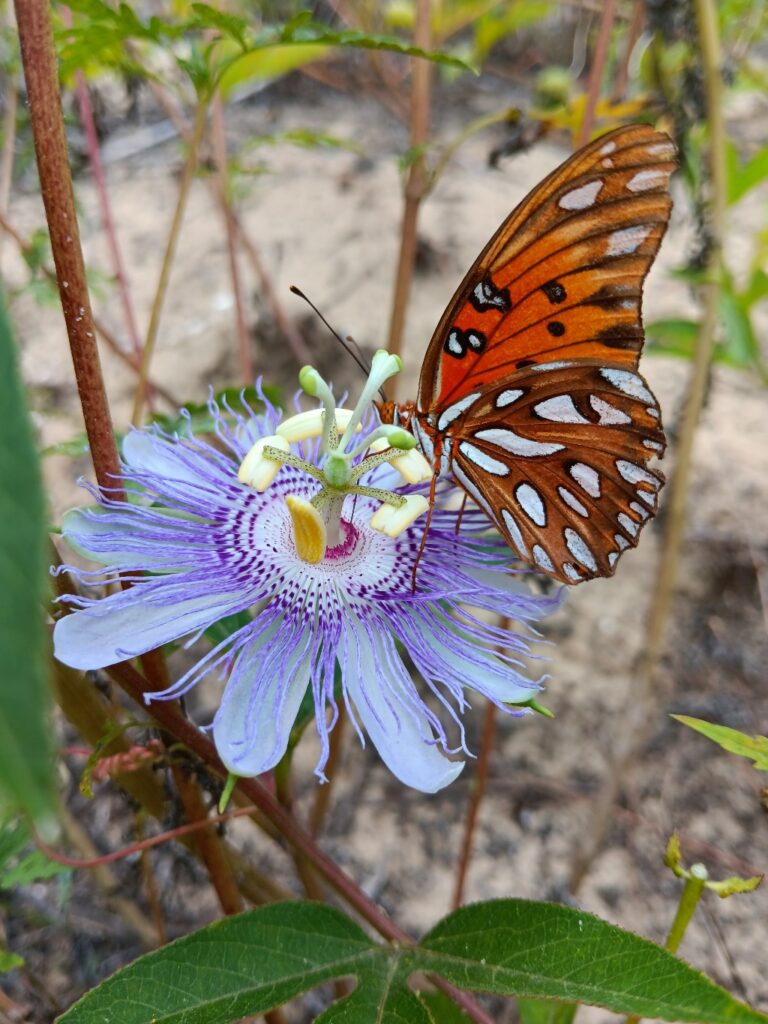
The Gulf Fritillary’s existence is intimately connected to the genus Passiflora and particularly the Maypop Purple Passionvine.