Butterfly Friendly Plants of the California Chaparral
California’s chaparral is a unique ecosystem, characterized by hot, dry summers and mild, wet winters, that is home to a variety of plants that butterflies find irresistible.
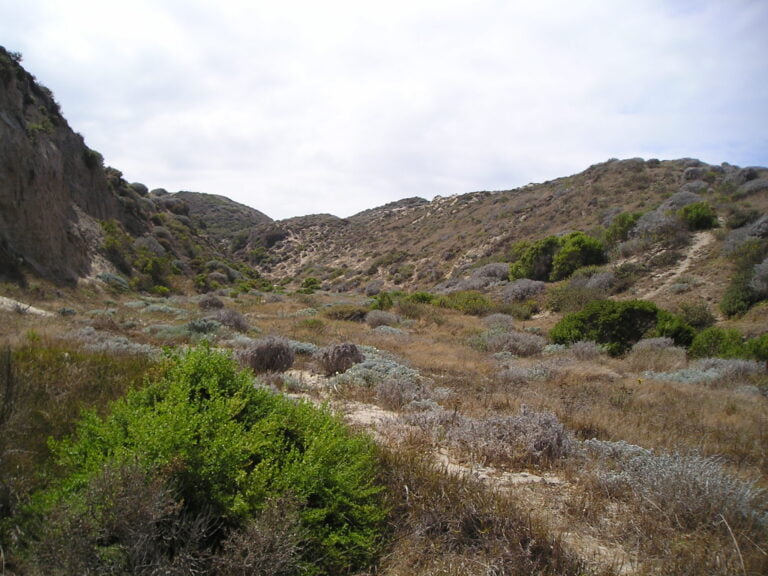
California’s chaparral is a unique ecosystem, characterized by hot, dry summers and mild, wet winters, that is home to a variety of plants that butterflies find irresistible.
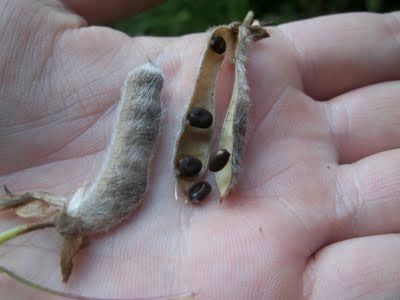
Germinating Lupinus diffusus, Skyblue Lupine or Spreading Lupine, from seeds can be achieved following these steps
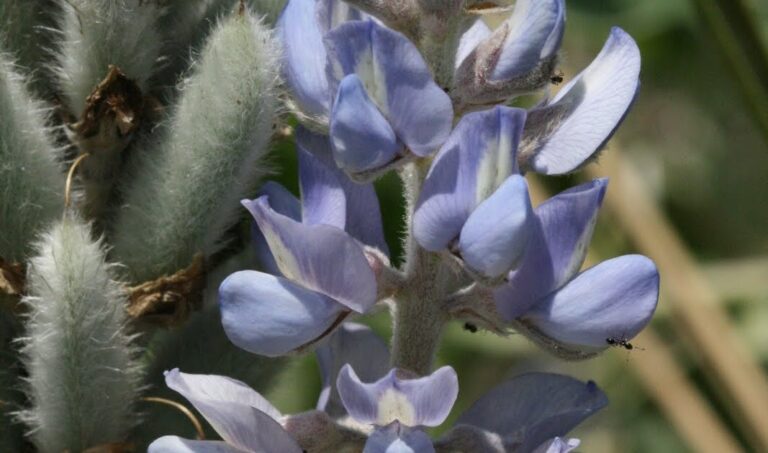
Many species of butterflies use various species of lupines (Lupinus) as host plants for their larvae. It’s important to note that butterfly-host relationships can be specific not only to the genus, but to the species level as well. Also, butterfly species’ distributions can affect which lupine species they interact with. Here are some butterfly species…

Milkweed seeds are flat and oval-shaped, and they are usually about a quarter of an inch long. They’re typically a light brown or tan color.
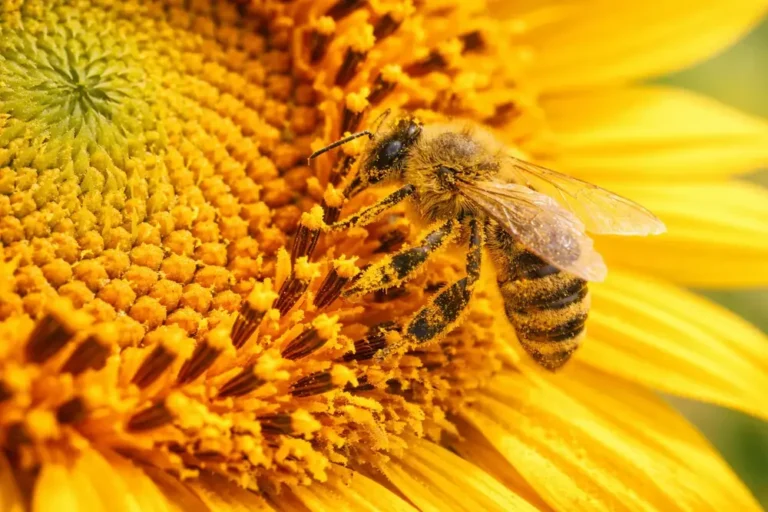
Yes, a butterfly garden can indeed attract bees, and that’s generally a good thing! Both butterflies and bees are pollinators, which means they play a crucial role in helping plants reproduce. By visiting flowers for their nectar, these insects inadvertently carry pollen from the male parts of a flower to the female parts, fertilizing the…
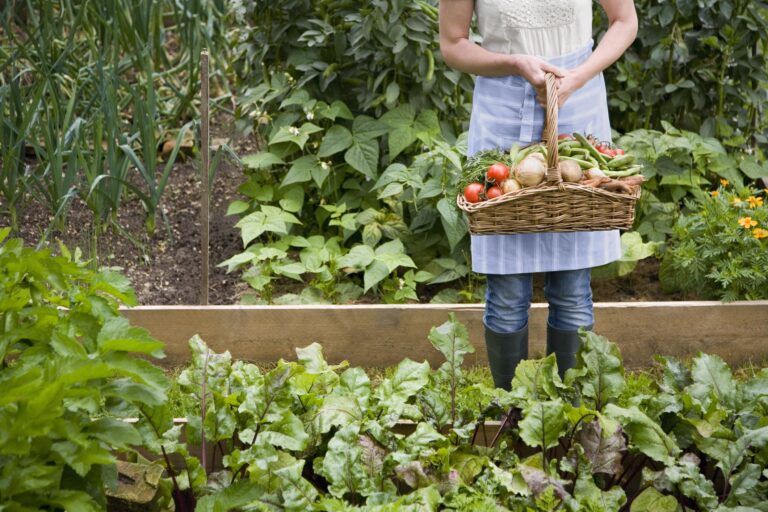
Johnny answers the age-old question: Are Butterflies Bad for My Garden?
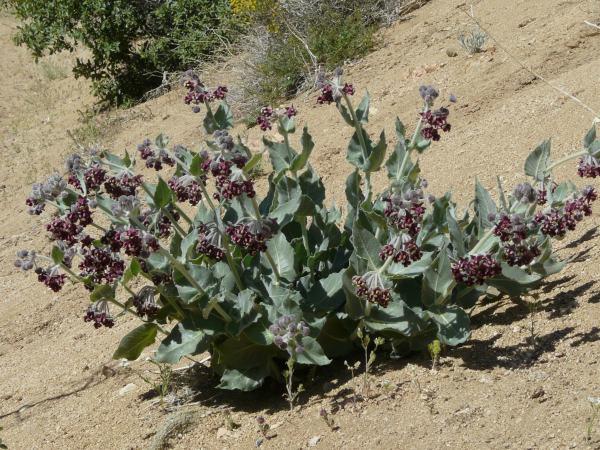
California is home to several milkweed species that are native to the state and play a crucial role in supporting the Monarch Butterfly population. Johnny lists the top ten California native Milkweed species.
The terms “native-friendly plants” and “native plants” refer to different categories of plants based on their origin and suitability for a specific region or ecosystem.