Similar Posts
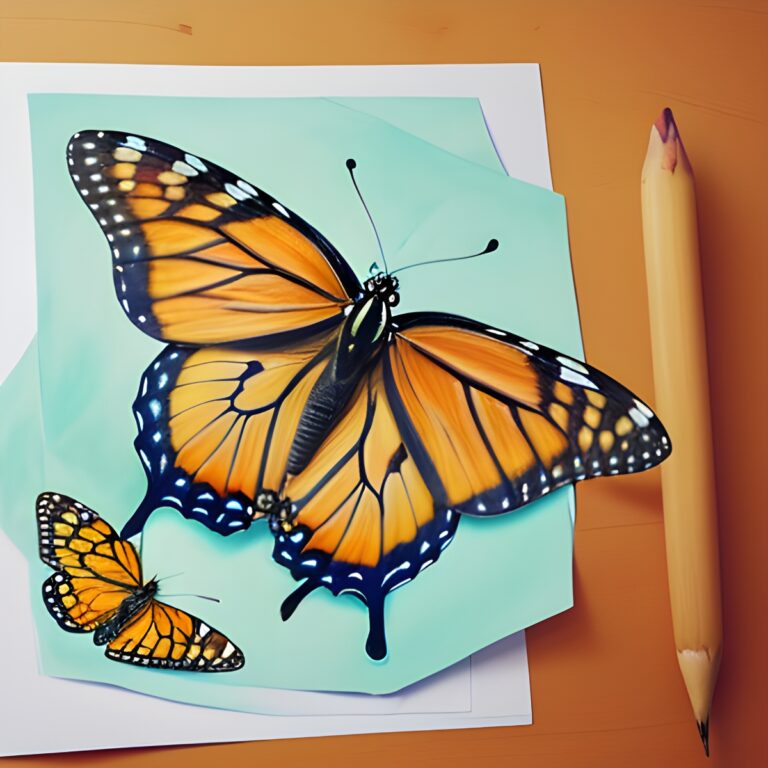
The micro-Adventures of Johnny Butterflyseed!
Once upon a time, a curious boy named Johnny stumbled upon a shimmering butterfly, who, much to his surprise, introduced herself as Raven, a butterfly fairy.
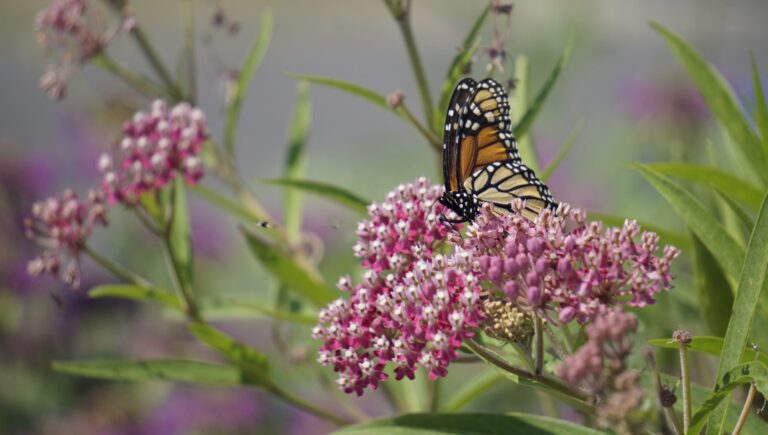
How Can I Germinate Swamp Milkweed (Asclepias incarnata)?
By planting Swamp Milkweed, you will attract butterflies, including Monarch butterflies, and provide a habitat for their caterpillars… one day at a time!
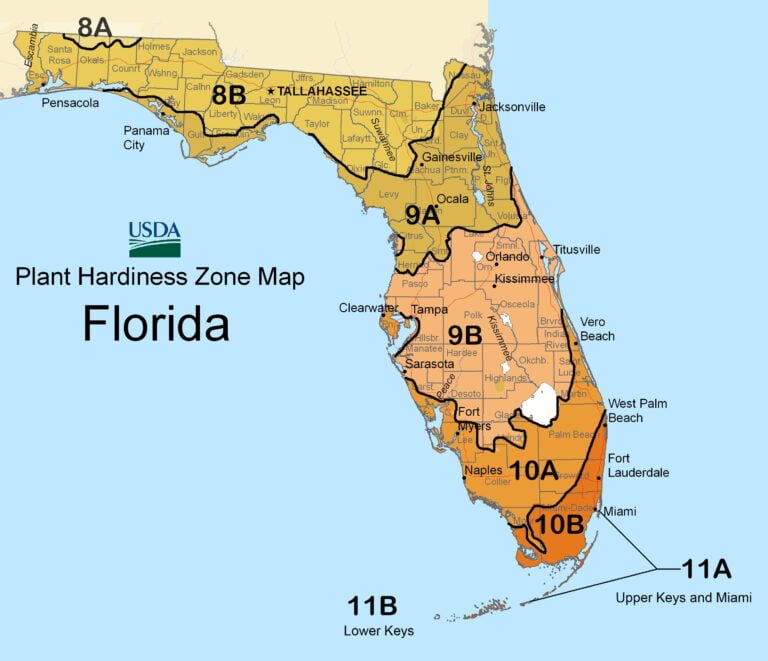
USDA Plant Hardiness Zones of Florida
In Florida, you’ll find a total of eight USDA subzones: 8a through 11b.
Top 10 California Native Milkweed
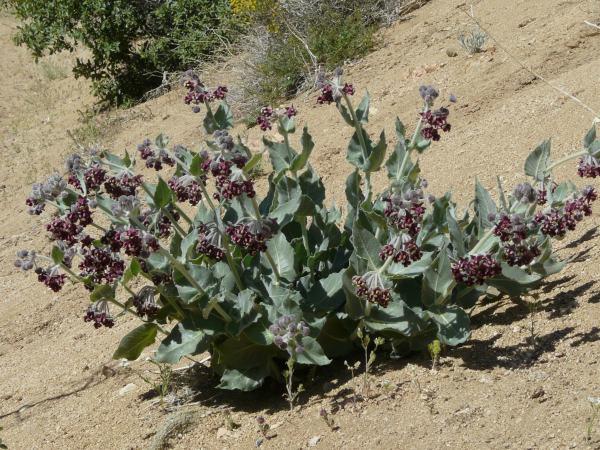
California is home to several milkweed species that are native to the state and play a crucial role in supporting the Monarch Butterfly population. Johnny lists the top ten California native Milkweed species.
- Baloon plant (Asclepias physocarpa) | English | Monarch (Danaus plexippus) | Queen (Danaus gilippus)
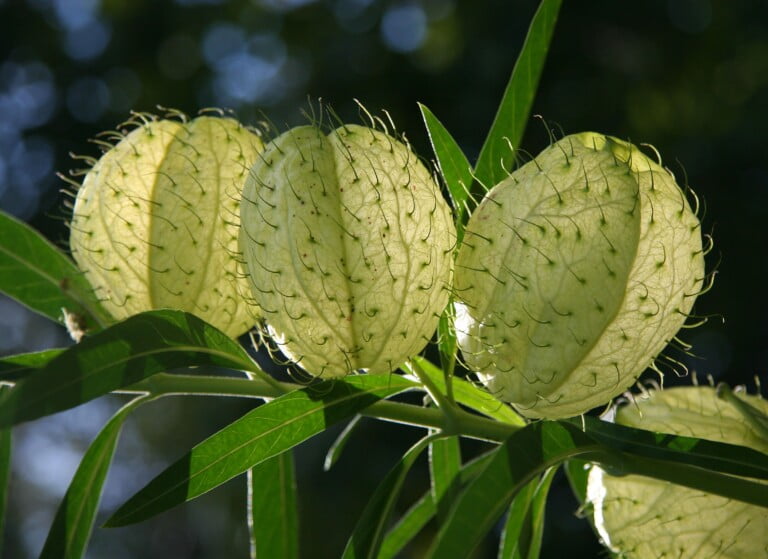
Asclepias physocarpa: The Whimsical Balloon Plant Beneficial to Monarchs and More
Asclepias physocarpa, commonly known as the Balloon Plant or Hairy Balls Milkweed, is originally native to southeast Africa. However, due to its unique appearance and benefits to wildlife, it has been introduced to various parts of the world, including North America.
Will Johnny Butterflyseed Succeed?
The success of Johnny Butterflyseed will depend on a variety of factors, including his knowledge of butterfly conservation, his access to resources, and his ability to inspire and mobilize others. If Johnny Butterflyseed has a strong understanding of the issues facing monarch butterflies and the steps needed to conserve their populations, he will be better…