Similar Posts
- Butterfly Farming | Butterfly Milkweed (Asclepias tuberosa) | Gardening | Horticulture | Monarch (Danaus plexippus)
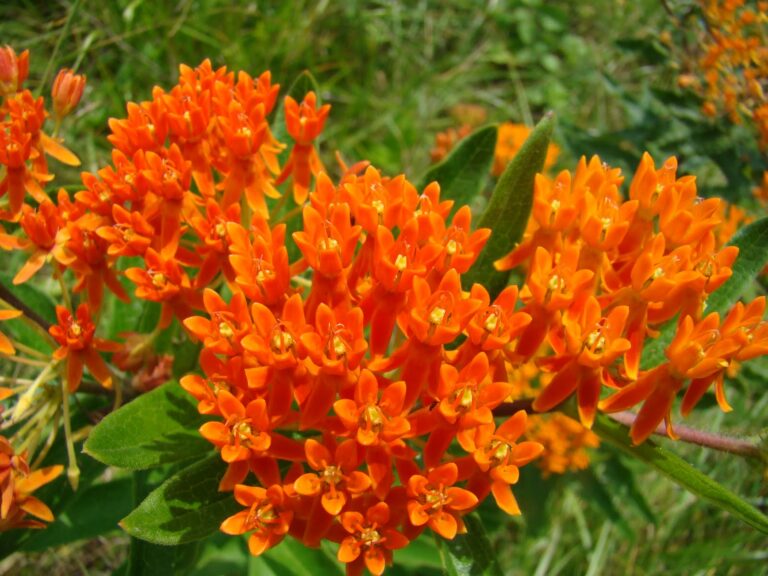
Asclepias Tuberosa: The Butterfly Weed
Despite its common name, Butterfly Weed is hardly a weed at all. Its beauty, ecological value, and ease of cultivation make it a prized plant for gardeners and conservationists
- Botany | Butterfly Farming | Endangered Species | English | Florida Milkvine (Matelea floridana) | Gardening | Horticulture | Monarch (Danaus plexippus) | Queen (Danaus gilippus)
Florida Milkvine (Matelea floridana): A Jewel in the Butterfly Garden
Embracing the Florida Milkvine and other native plants is a step towards a more sustainable, biodiverse, and beautiful Florida.
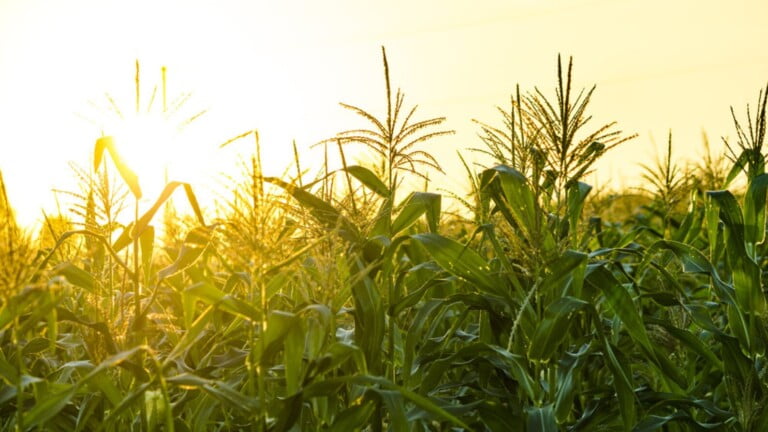
From Seed to Cob: A Floridian’s Guide to Yellow Dent Corn
Whether roasted, ground into meal, or preserved, Yellow Dent Corn offers a taste of heirloom quality that harkens back to the simpler days of farming.
What Happens if You Touch a Monarch Butterfly’s chrysalis?
It’s generally best to observe without touching. If you must handle a chrysalis (for instance, if it’s in a location where it might get damaged), ensure your hands are clean, be as gentle as possible, and minimize the time you spend handling it.
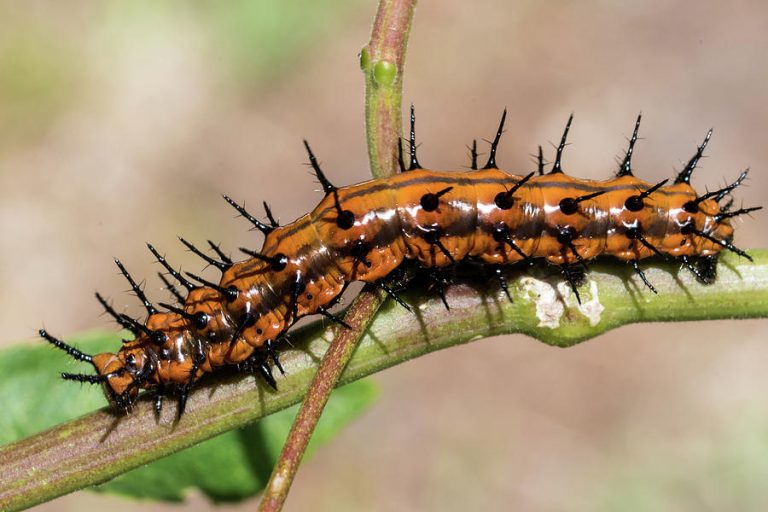
What is a Larval Host Plant?
A “larval host plant” refers to a plant species that serves as a food source for the larvae of certain insects or butterflies.
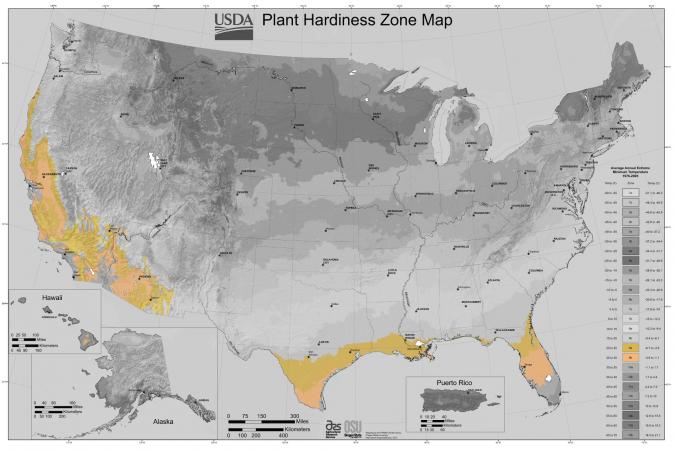
Is There a Greater Need for Butterfly Farmers and Gardeners in USDA Zone 9?
There are a few reasons why there might be a greater need for butterfly farmers and gardeners in USDA Zone 9.