Purple Coneflower: A Star of North American Butterfly Gardens
Purple Coneflower (Echinacea purpurea). Beyond its obvious aesthetic appeal, the coneflower offers myriad benefits that make it an indispensable asset in any butterfly garden.
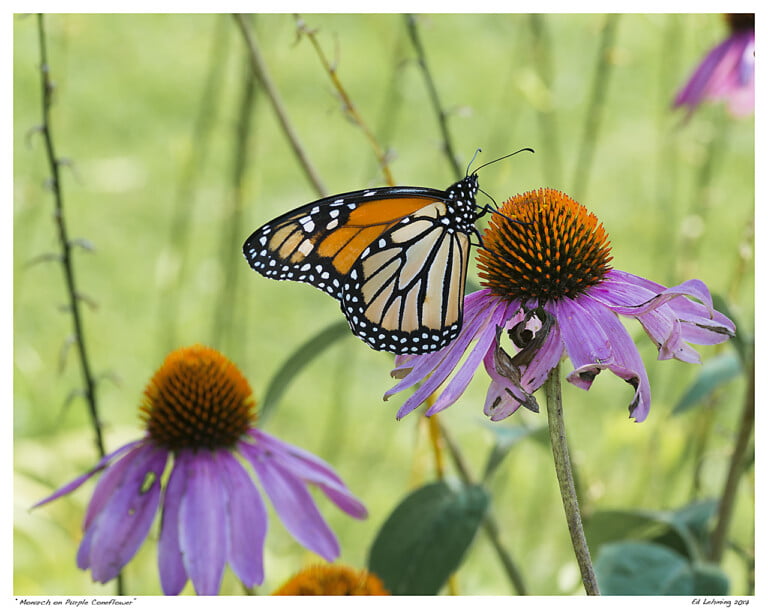
Purple Coneflower (Echinacea purpurea). Beyond its obvious aesthetic appeal, the coneflower offers myriad benefits that make it an indispensable asset in any butterfly garden.

Known scientifically as Ruta graveolens, Rue is not only a visual delight but also a magnet for certain butterfly species.

A recent breakthrough, pioneered by none other than Johnny Butterflyseed, is poised to revolutionize how we approach seed germination: “Seed Ozone Stratification.”
Johnny Butterflyseed has pioneered the use of ozone to sterilize milkweed seed pods, which can offer several advantages.

Cleaning harvested milkweed seed pods with a solution like 3% hydrogen peroxide can offer several benefits, particularly if the seeds are intended for propagation or distribution.

In botany, the term “silicicola” is derived from Latin, where “silici-” refers to silica or sand and “-cola” means dweller or inhabitant.
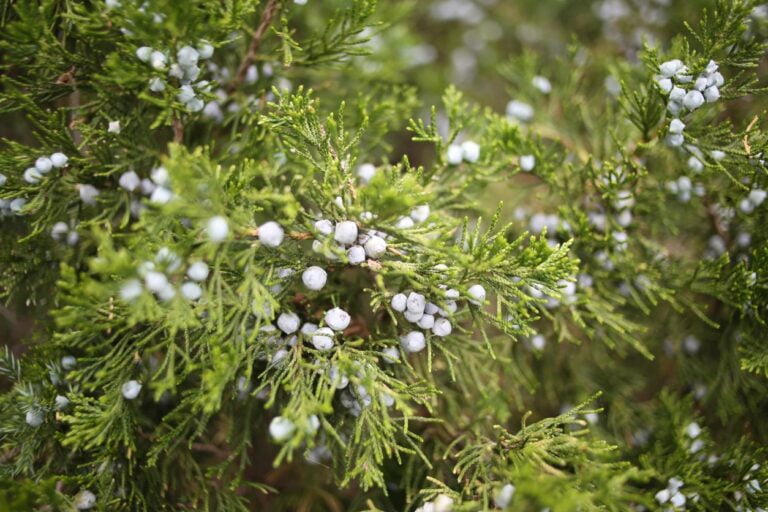
Redcedar, which belong to the genus Juniperus, serve as larval host plants for a few moth species and one butterfly.

Monarch butterflies are cold-blooded, meaning their body temperature is largely determined by the surrounding environment.