Plant More Milkweed
Plant More Milkweed—even just scattering seeds in suitable locations—is a simple yet powerful action that can have profound ecological benefits.
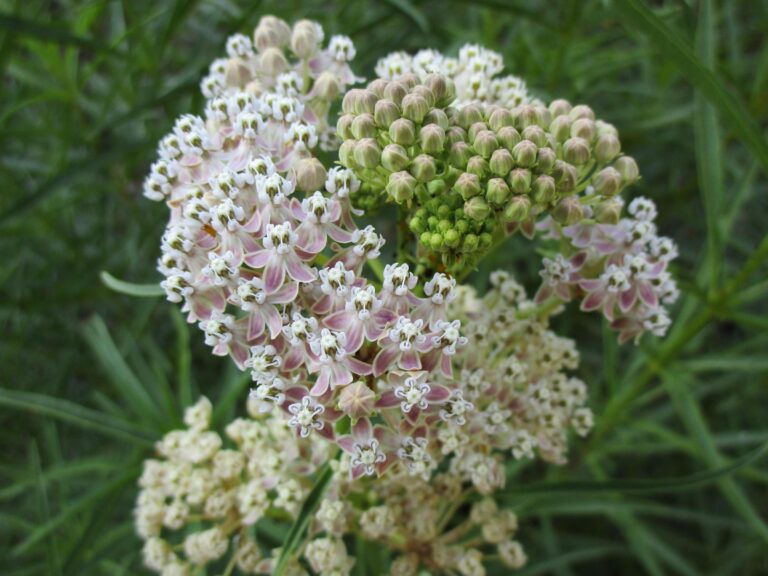
Milkweeds are absolutely required by Monarch, Queen and Soldier Butterflies!
Plant More Milkweed—even just scattering seeds in suitable locations—is a simple yet powerful action that can have profound ecological benefits.
Narrowleaf Milkweed (Asclepias fascicularis) is native to the western United States. It can be found growing in a variety of habitats, including grasslands, open woodlands, and along roadsides.
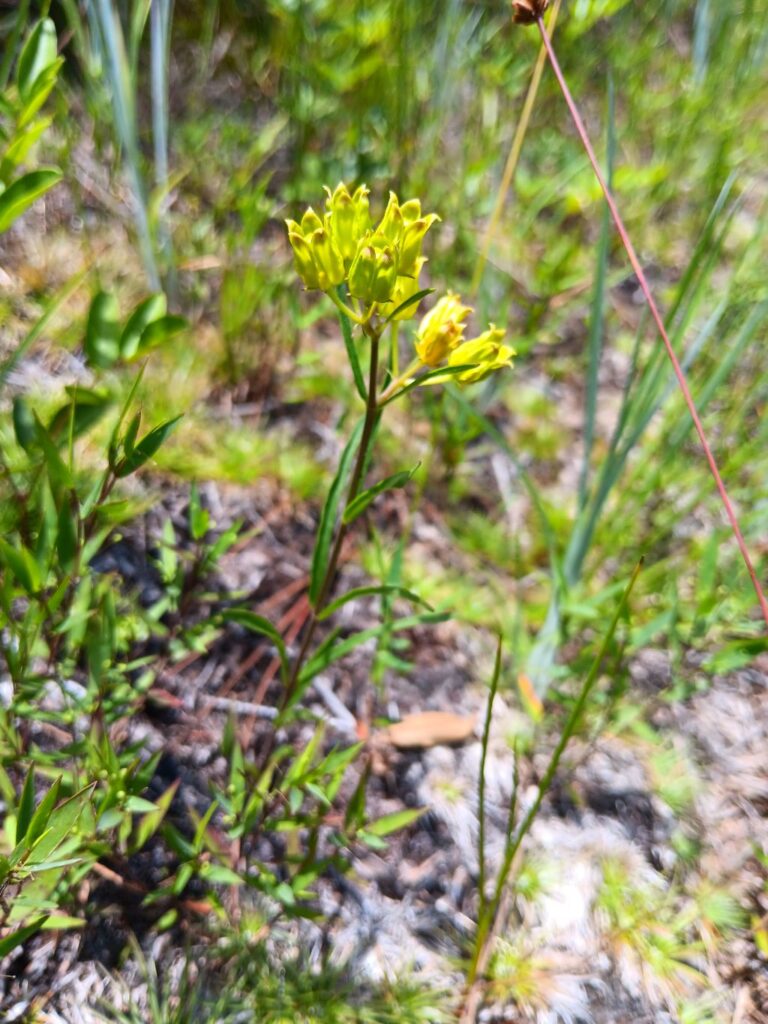
Savannah Milkweed (Asclepias pedicellata) is an essential component of the southeastern United States’ natural heritage.
Turns out, while it doesn’t make cheese, and it’s not a weed, Milkweed is a favorite among Monarch Butterflies and can be found all across Wisconsin’s pastures, prairies, and forests.
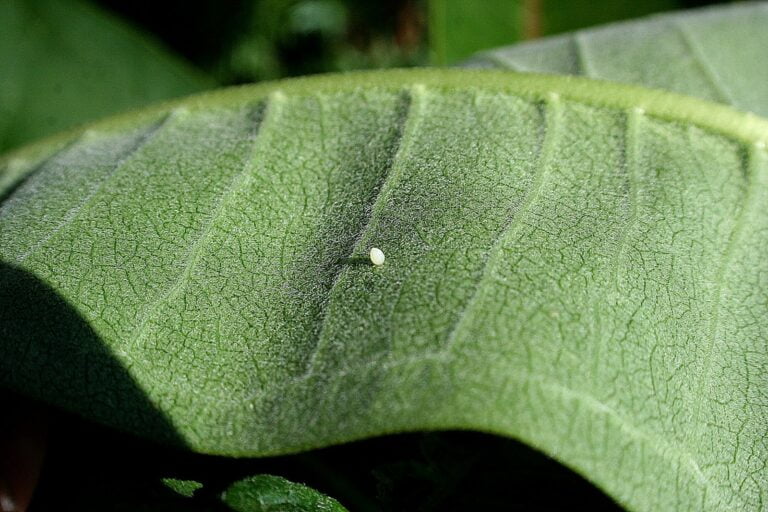
How long do monarch eggs take to hatch?
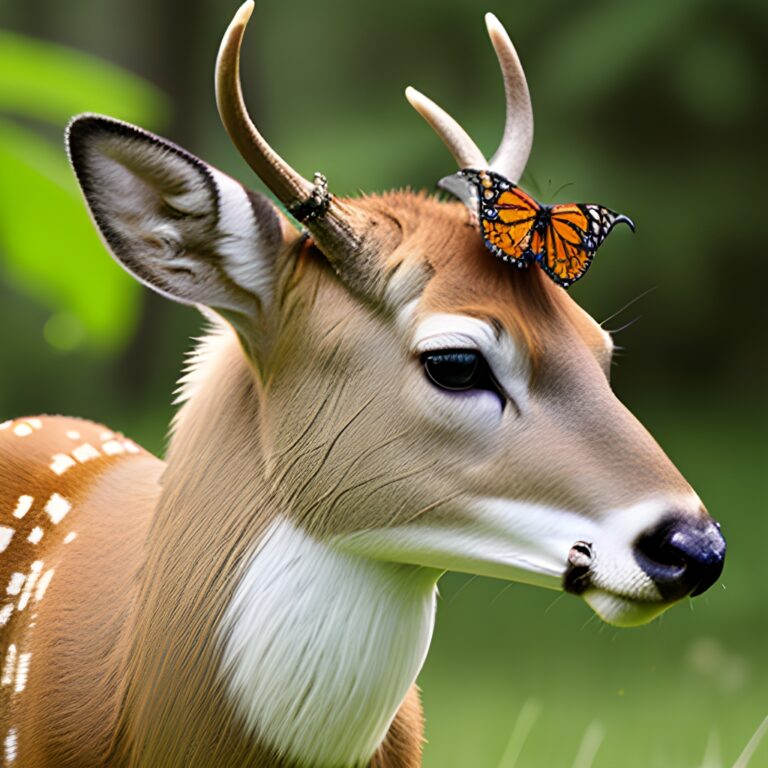
Deer are known to be quite adaptable in their feeding habits and can consume a wide variety of plants. However, they generally avoid Milkweed due to its bitter taste and the plant’s natural defense mechanism. Milkweed contains cardiac glycosides, which are toxic compounds that can be harmful if consumed in large quantities. Many animals, including…
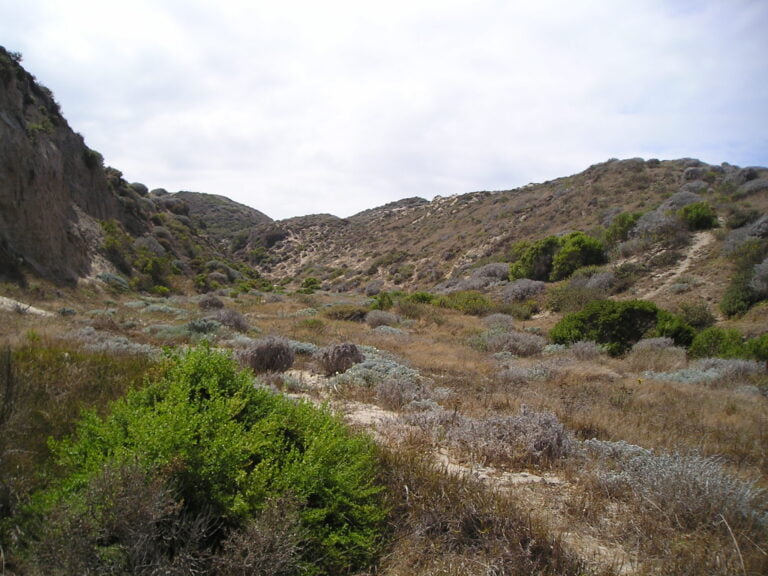
California’s chaparral is a unique ecosystem, characterized by hot, dry summers and mild, wet winters, that is home to a variety of plants that butterflies find irresistible.
Milkweed seeds are flat and oval-shaped, and they are usually about a quarter of an inch long. They’re typically a light brown or tan color.