How Many Monarch Butterflies are Left?
Remember, the number of Monarch butterflies remaining is not as many as there would be if you would “Plant More Milkweed.”
An endangered species is a species that is very likely to become extinct in the near future, either worldwide or in a particular political jurisdiction.
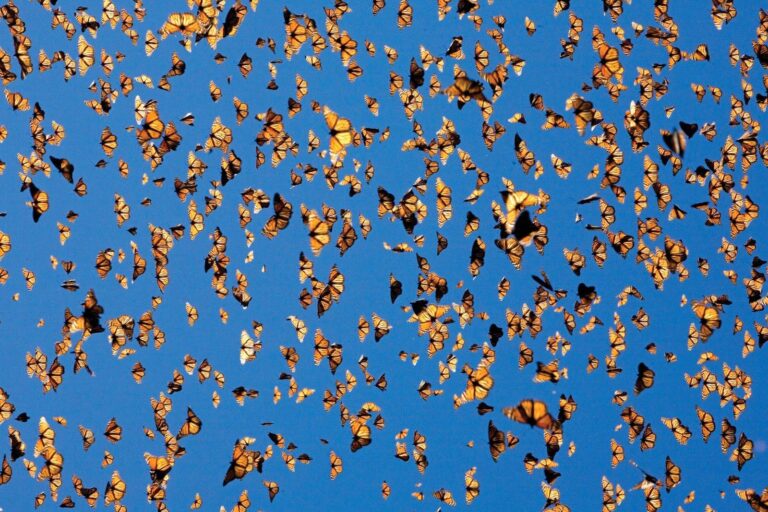
Remember, the number of Monarch butterflies remaining is not as many as there would be if you would “Plant More Milkweed.”
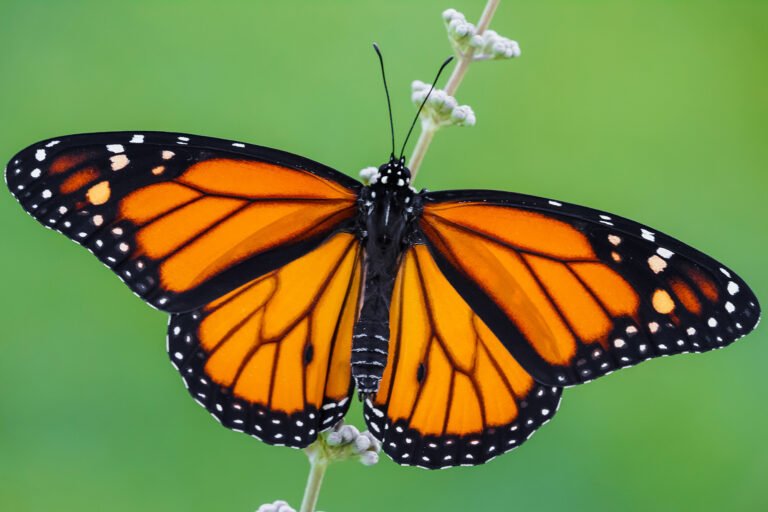
The Monarch’s plight is emblematic of broader environmental challenges and is a call to action for preserving biodiversity and ecological balance… one day at a time!

Plant More Milkweed—even just scattering seeds in suitable locations—is a simple yet powerful action that can have profound ecological benefits.
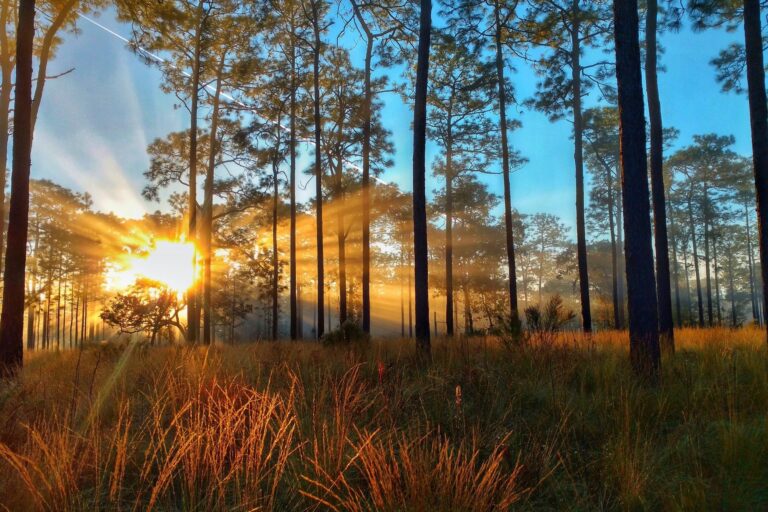
The Longleaf Pine (Pinus palustris) being listed as Endangered under criteria A2cde by the IUCN Red List of Threatened Species in 2011 emphasizes the urgent need for conservation and protection of this species.
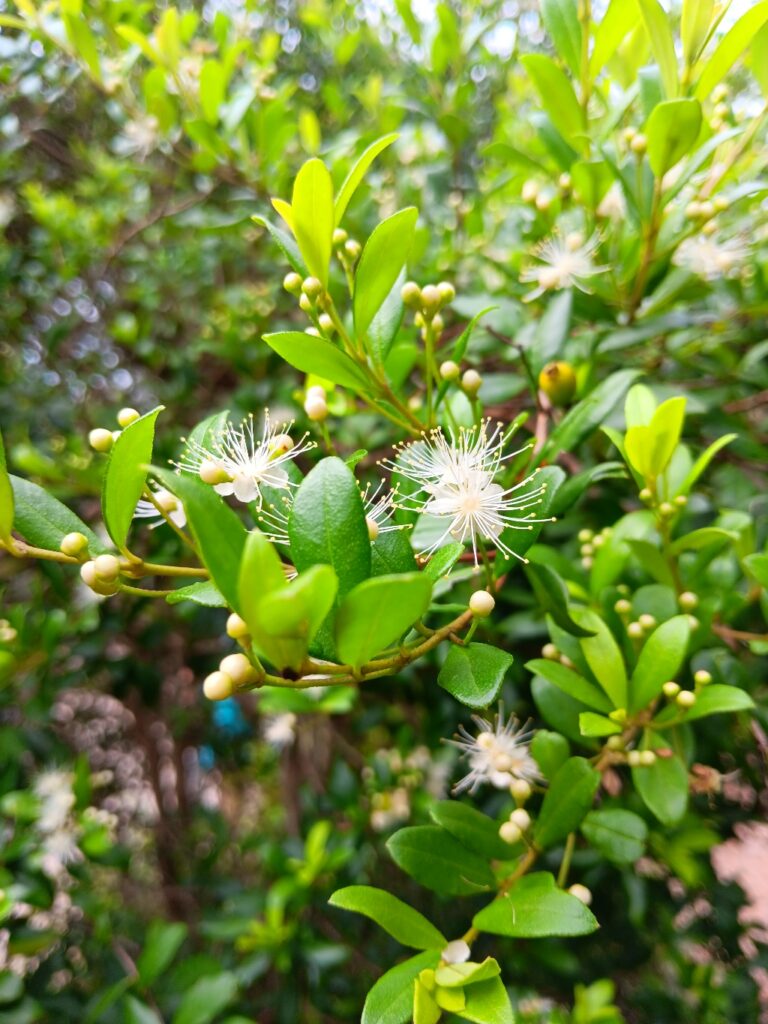
The glossy green leaves, colorful berries, and dense foliage make it an attractive addition to any garden or natural landscape.
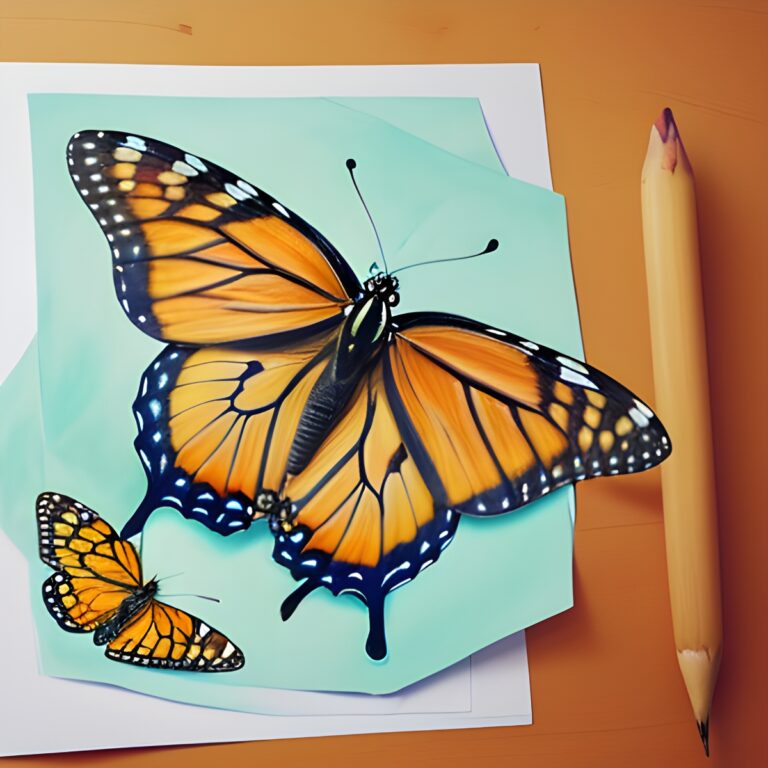
Once upon a time, a curious boy named Johnny stumbled upon a shimmering butterfly, who, much to his surprise, introduced herself as Raven, a butterfly fairy.
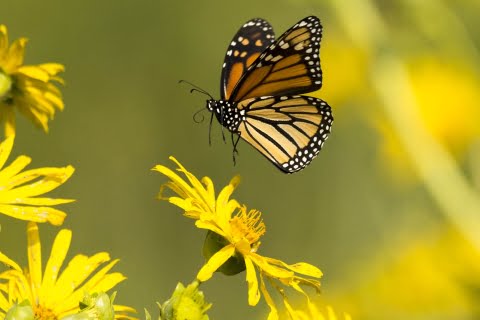
The Monarch Butterfly (Danaus plexippus) has been determined to be a “candidate to be listed as Endangered” by the U.S. Fish and Wildlife Service (USFWS) Species Status Assessment (SSA) Framework.

There are a handful of U.S. States which have listed Milkweed species (Asclepias) in some form. There are also federally-listed Milkweed species which applies to many states. Johnny Butterflyseed has gathered some answers for you. Quick Answer Any U.S. state with native prairieland will likely have endangered Milkweed, due to habitat destruction. Federally-Listed Milkweed Applies…