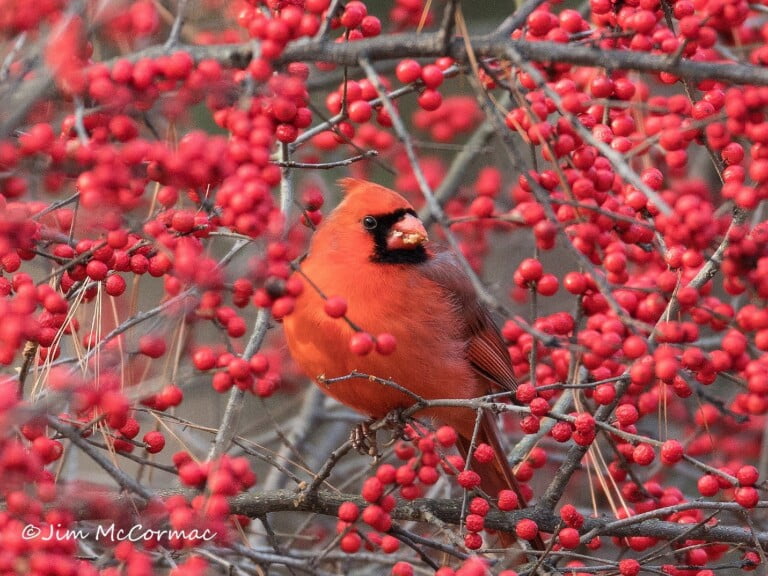
Butterfly Shelter Plants for Cardinals
Here’s a list of southern shrubs that are known to attract and provide excellent nesting opportunities for Northern Cardinals:
Anything that Grows Butterflies falls under “Butterfly Farming”
Here’s a list of southern shrubs that are known to attract and provide excellent nesting opportunities for Northern Cardinals:
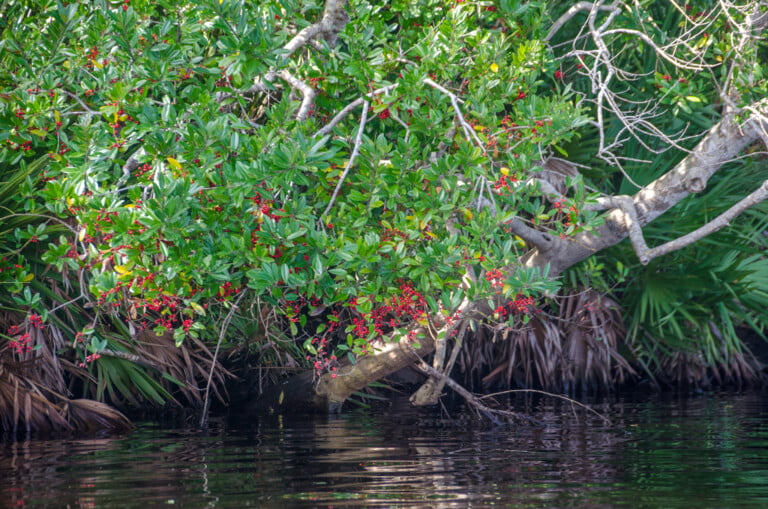
Dahoon (Ilex cassine) is a versatile evergreen shrub, revered for its ecological benefits, aesthetic appeal, and resilience. Native Range and USDA Zones: Native around the Gulf of Mexico, Dahoon can be found in the southeastern United States, parts of the Caribbean, and Central America, this multifaceted plant plays a pivotal role in both natural ecosystems…
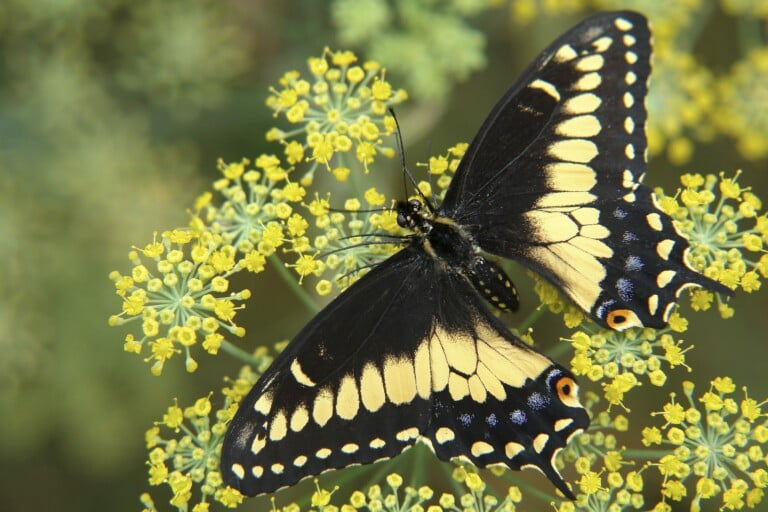
Each fall, as the sweltering heat subsides, a window opens for cultivating an aromatic herb and sanctuary for the enchanting Black Swallowtail butterflies – Dill.
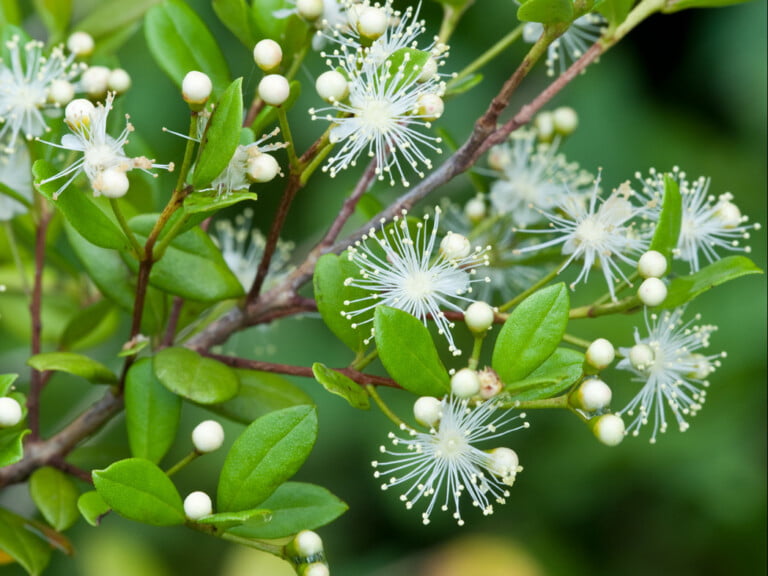
Simpson’s Stopper seeds may have a variable germination rate, and patience is crucial in this process. Ensure the right conditions for germination, and with time, you should see the young saplings emerge, ready to grow into the beautiful and beneficial Simpson’s Stopper shrubs.
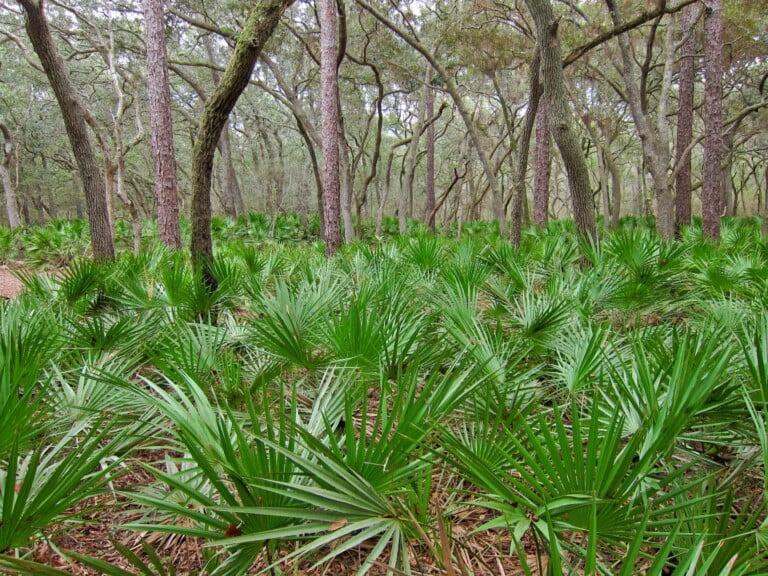
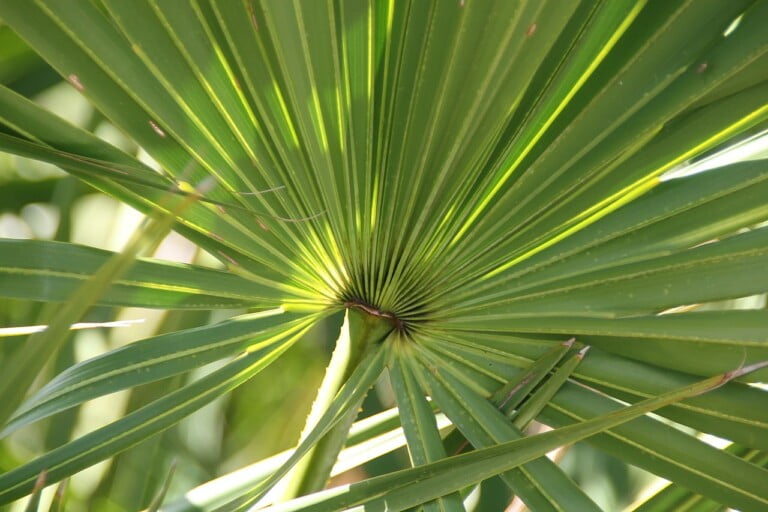
Saw Palmetto is emblematic of the intricate connections within ecosystems. Serving as a medicinal plant for humans, a food source for wildlife, and a home for various butterfly species, its importance can’t be overstated.
Saw palmetto seeds (Serenoa repens) technically drupes, can be a bit challenging to germinate, but with patience and the right conditions, you can successfully propagate them. Here’s a step-by-step guide: Remember, germination rates for saw palmetto seeds can vary, and not all seeds might sprout. It’s a good idea to plant more seeds than you…
To test the accuracy of a nitrate test kit that claims to read nitrate from 0 to 160 ppm, you can prepare standard nitrate solutions of known concentrations and then use the test kit to measure those concentrations. One common substance you can use to prepare a nitrate solution is potassium nitrate ((KNO_3)).
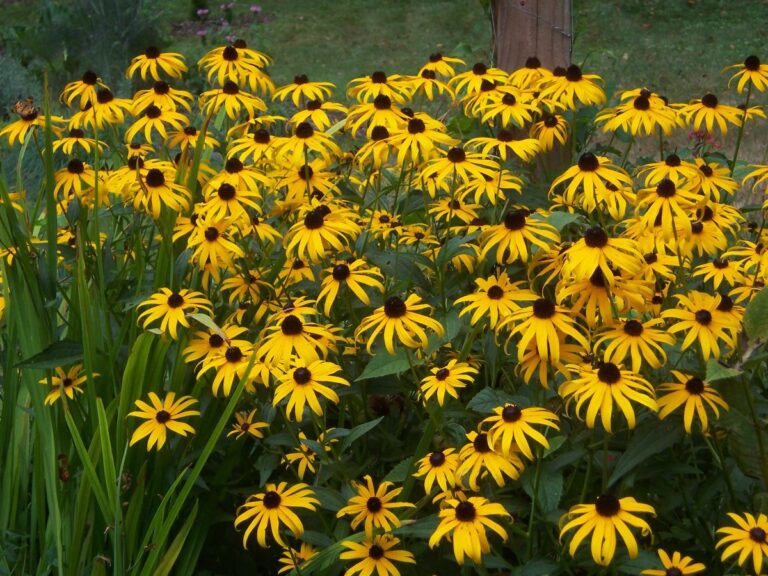
The genus Rudbeckia, commonly known as coneflowers or black-eyed Susans, holds a special place in both the botanical world and American heritage.