From Seed to Cob: A Floridian’s Guide to Yellow Dent Corn
Whether roasted, ground into meal, or preserved, Yellow Dent Corn offers a taste of heirloom quality that harkens back to the simpler days of farming.
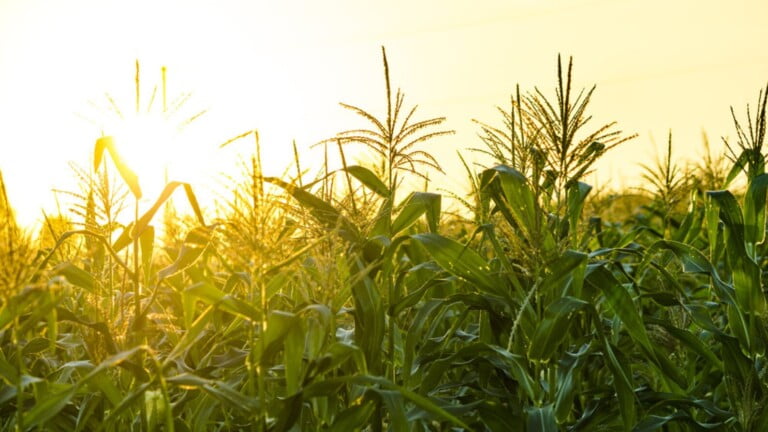
Whether roasted, ground into meal, or preserved, Yellow Dent Corn offers a taste of heirloom quality that harkens back to the simpler days of farming.
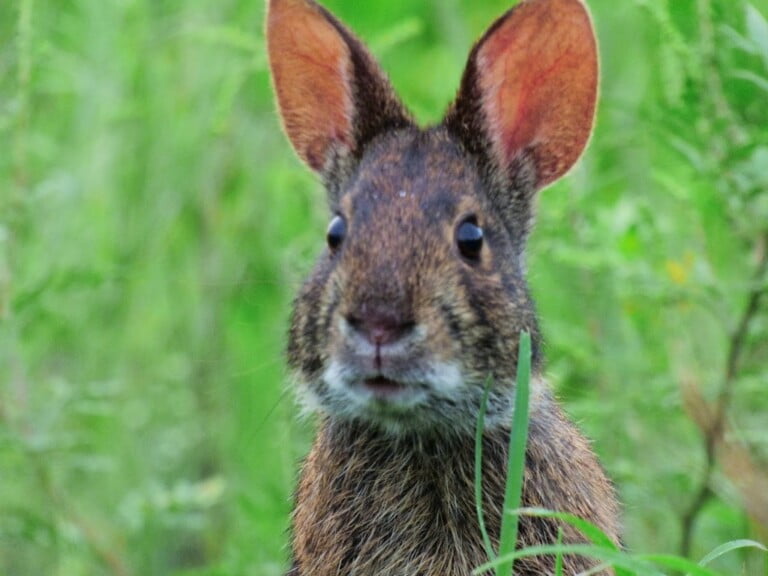
In the diverse ecosystems of the U.S. Southeast, the marsh rabbit (Sylvilagus palustris) serves as an integral species, particularly within forests and marshes. Known for its preference for wet environments, the marsh rabbit thrives in areas where thick vegetation provides necessary cover and food sources. For Floridians, especially those with lakefront properties, creating a landscape…
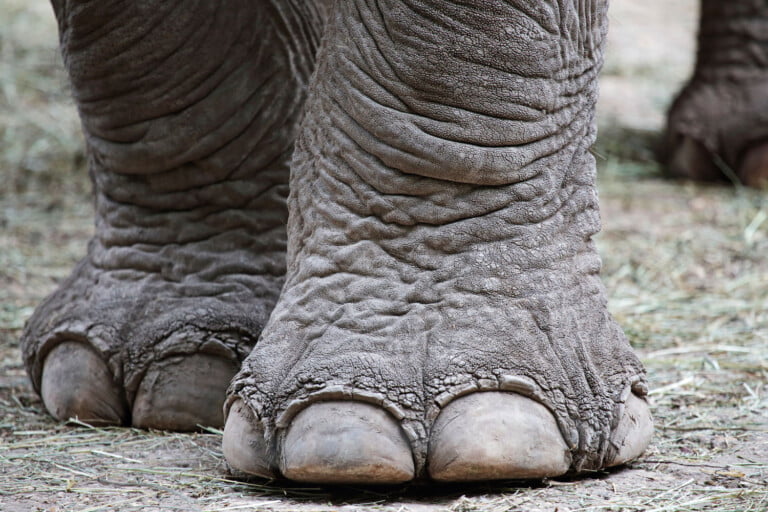
Tall Elephantsfoot is a valuable native plant in the southeastern United States, offering significant benefits to butterflies through nectar provision, habitat enhancement, and participation in broader ecological relationships.
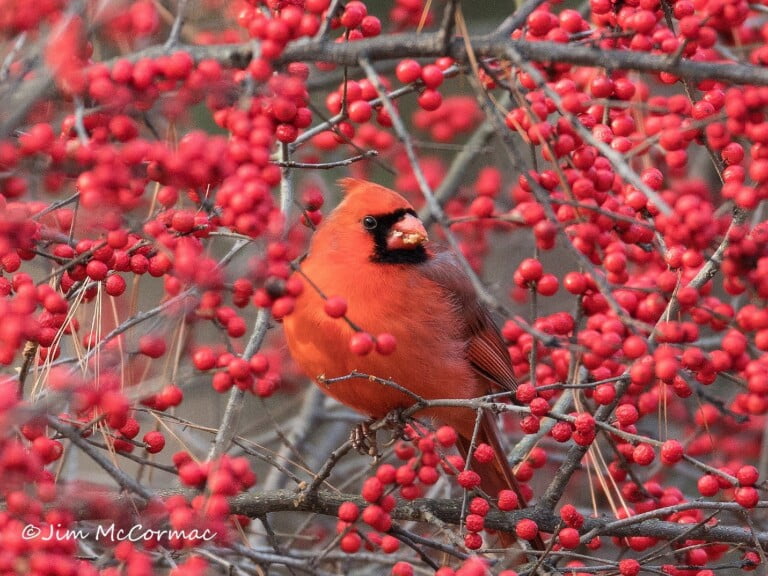
Here’s a list of southern shrubs that are known to attract and provide excellent nesting opportunities for Northern Cardinals:
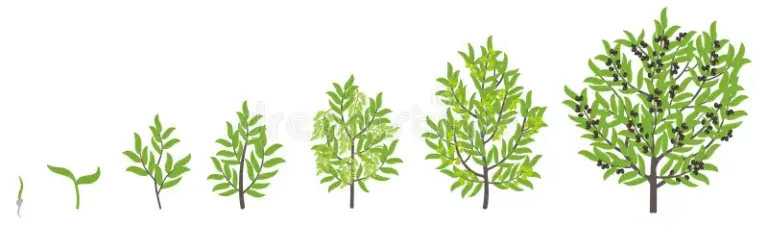
Germinating Olea europaea, commonly known as the olive tree, can be a challenging process due to the hard outer shell of the seed, which inhibits water absorption and gas exchange. However, with the right approach, you can increase your success rate. Here’s a very consistent and effective method for germinating Olea europaea seeds: 1. Seed…
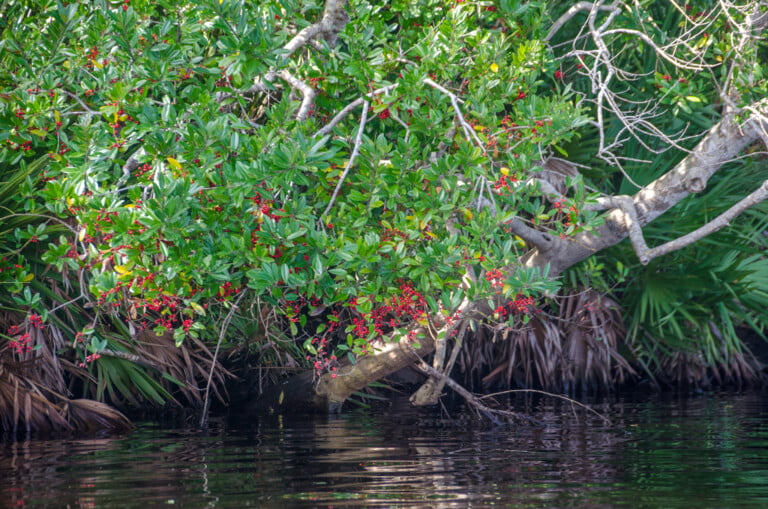
Dahoon (Ilex cassine) is a versatile evergreen shrub, revered for its ecological benefits, aesthetic appeal, and resilience. Native Range and USDA Zones: Native around the Gulf of Mexico, Dahoon can be found in the southeastern United States, parts of the Caribbean, and Central America, this multifaceted plant plays a pivotal role in both natural ecosystems…
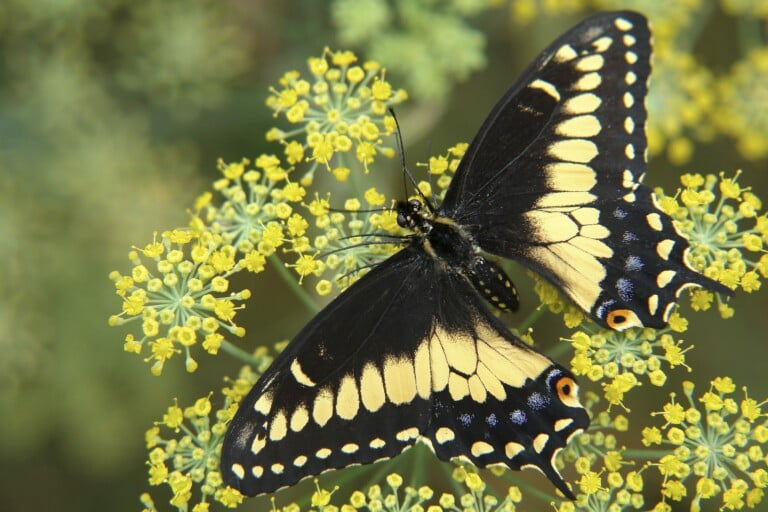
Each fall, as the sweltering heat subsides, a window opens for cultivating an aromatic herb and sanctuary for the enchanting Black Swallowtail butterflies – Dill.
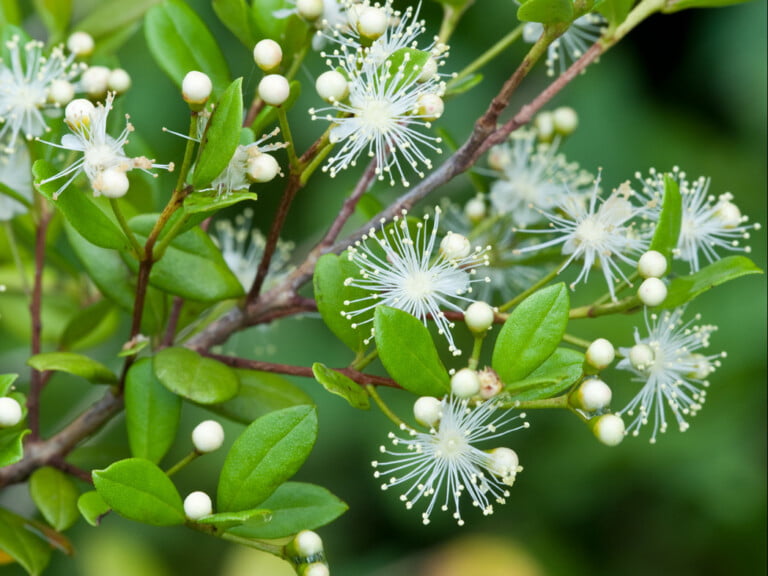
Simpson’s Stopper seeds may have a variable germination rate, and patience is crucial in this process. Ensure the right conditions for germination, and with time, you should see the young saplings emerge, ready to grow into the beautiful and beneficial Simpson’s Stopper shrubs.