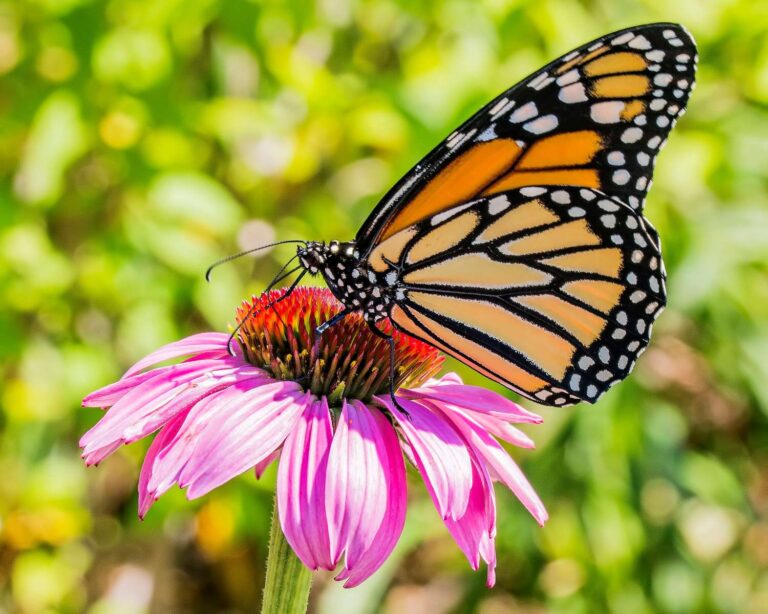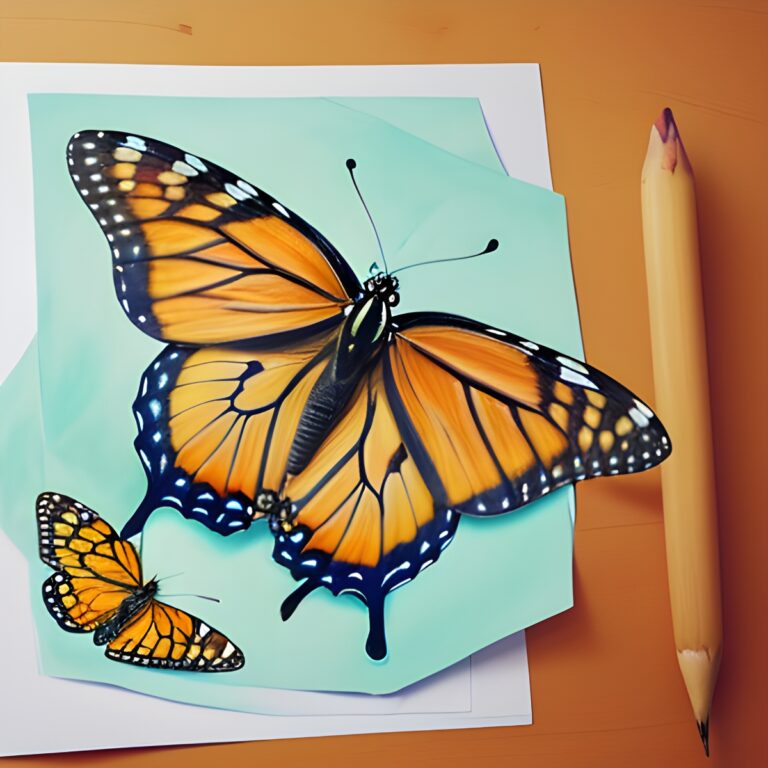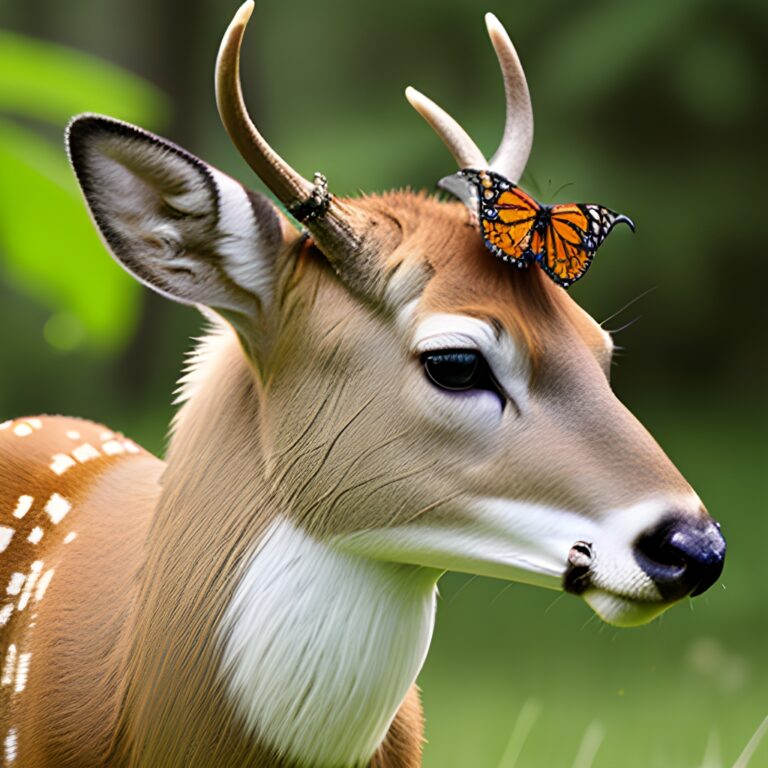
Monarch butterflies lay eggs only on Milkweed plants. Baby caterpillars hatch and eat only Milkweed. The Milkweed helps them grow. When they are big, they turn into butterflies. Then they lay eggs on Milkweed too. It keeps going like this. No Milkweed, no Monarchs. Buy Milkweed Now:

Horticulture
Why is the Longleaf Pine Endangered?
The Longleaf Pine (Pinus palustris) being listed as Endangered under criteria A2cde by the IUCN Red List of Threatened Species in 2011 emphasizes the urgent need for conservation and protection of this species.
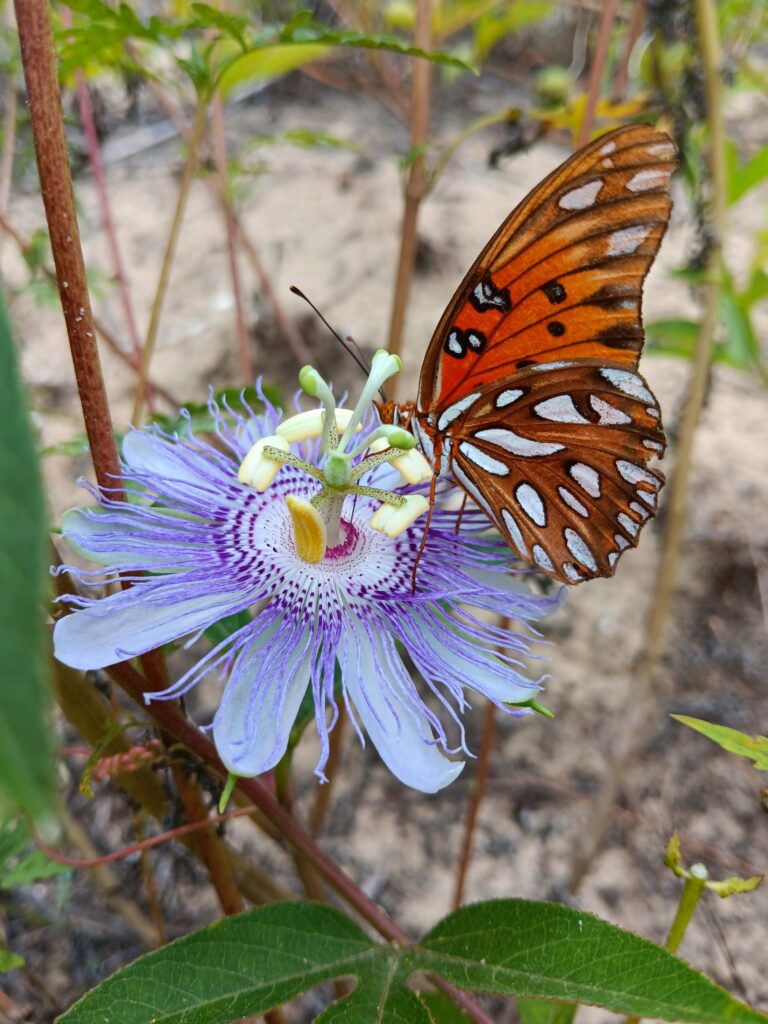
Maypop Purple Passionflower Native Range
Passiflora incarnata, commonly known as the Purple Passionflower or Maypop, is a fast-growing perennial vine. Its native range is quite extensive within the United States, primarily encompassing the Southeast but reaching beyond as well.
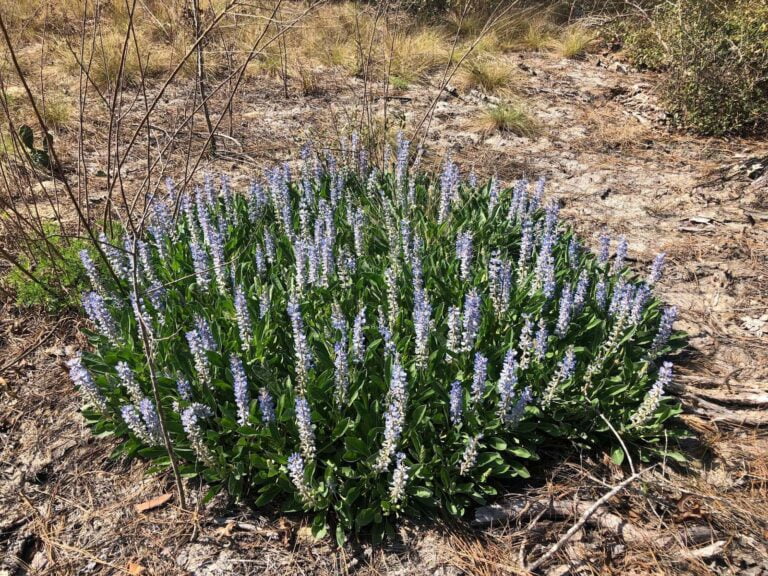
Lupines in North American Butterfly Gardens
Lupines (genus Lupinus) are a vital part of many ecosystems, and their role in North American butterfly gardens is no less significant.
The Versatile Black Drink Holly (Ilex nigrempotum): A Blessing from Nature
Revered by Native American tribes for its multitude of uses and unique properties, this plant stands as a testament to the vast potential of our natural world.
The Purple Coneflower: A Gift to North American Butterfly Gardens and More
Beyond its magnificent beauty, this perennial powerhouse serves as an alluring attraction for butterflies, a medicinal treasure trove, and a source for nourishing herbal tea.
The micro-Adventures of Johnny Butterflyseed!
Once upon a time, a curious boy named Johnny stumbled upon a shimmering butterfly, who, much to his surprise, introduced herself as Raven, a butterfly fairy.
Do Deer Eat Milkweed?
Deer are known to be quite adaptable in their feeding habits and can consume a wide variety of plants. However, they generally avoid Milkweed due to its bitter taste and the plant’s natural defense mechanism. Milkweed contains cardiac glycosides, which are toxic compounds that can be harmful if consumed in […]